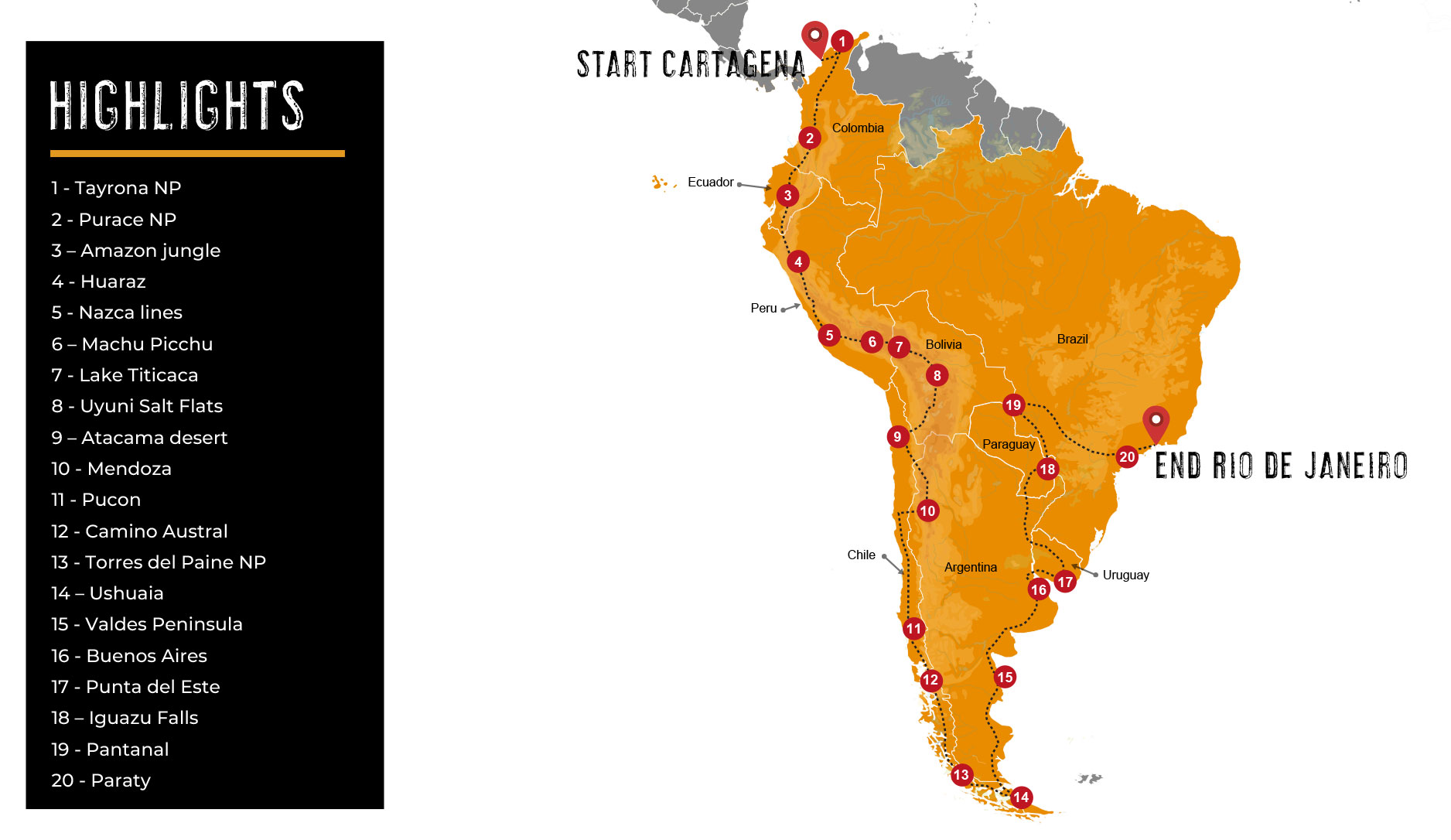
Cartagena<- ->Rio de Janeiro (LTA)

Cartagena to Rio De Janeiro 1 days, departing 19 Jun 2013

Ratings for this trip

Comfort Zone: Moderate

Moderate Comfort Level. These trips allow you to get off the beaten track with a few of your home comforts. On OVERLAND TRIPS expect there may be some wild camps, but with a predominance of campsites with good facilities (often with upgrades to rooms available) or staying in small hotels. Hotels will range from basic up to reasonably comfortable. Sharing will be on a 2, 3 or 4 person basis. On ADVENTURE HOLIDAYS we will have standard style accommodation, usually budget or tourist-class (2-3 star) accommodation with private facilities. Some accommodation may be on a multi-share basis. Transport will be a mixture of local and privately hired.

Physical Challenge: Strenuous in parts

STRENUOUS IN PARTS: These are physical tours; we may well be travelling at high altitudes, across deserts or through hot and steamy tropical countries. Physically it can be quite tough, but not necessarily all the time and there will be plenty of rest days and time to relax as well. The fitter you are the more you will enjoy the trip.

Countries Visited

Argentina

Argentina is a vast country which has a staggering diversity of climates and landscapes. With vibrant cities, the pampas, jungles and wind swept Patagonia it is a country with a very special character all of its own. Its initial appearance is fairly western but this disguises a long history of its own cultural heritage.

Buneos Aires is the capital of Argentina, lying at the mouth of the River Plate, it is a real viberant city. Full of life, from great local restaurants to local street markets and dances, showing the amazing local tango dance, Buenos Aires is the heart and soul of Argentina. Also home to some exquisite wine bars and an amazing nightlife, Buneos Aires is a must see city if you visit Argentina.

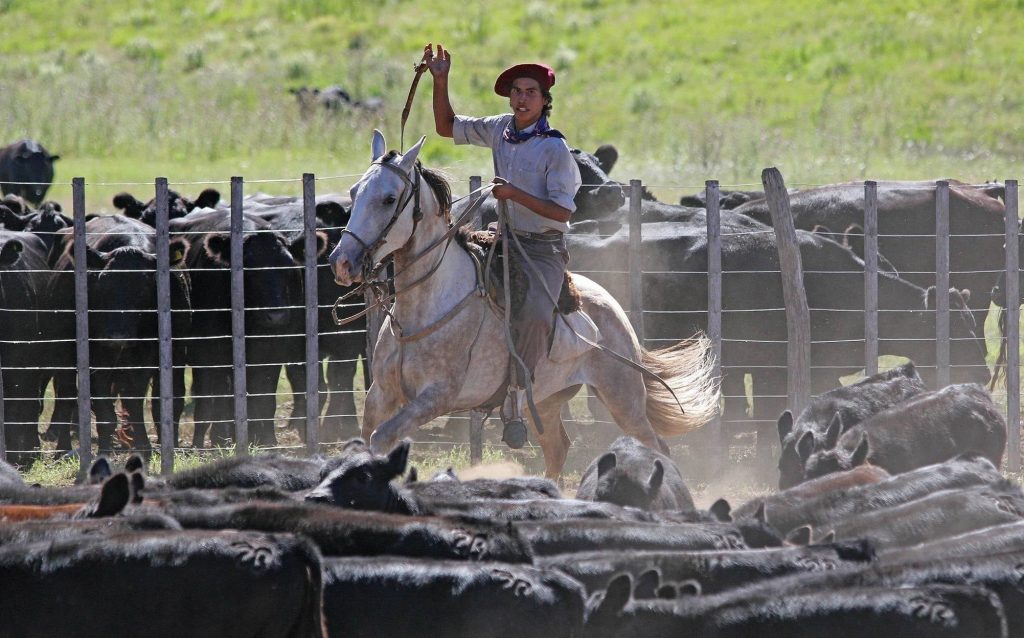
On the pampas the Gaucho people of Argentina spend their days working, riding their horses and protecting their cattle. This has resulted in worldwide export for beef, sunflower oil and wheat, making the Argentina Pampas famous for agriculture.

Deep in the south of the country is Patagonia. This beautiful area is known for its breathtaking landscapes, magnificent lakes and beautiful glacial scenery. It is a great place for outdoor activities, such as, trekking, horse riding, kayaking and mountain biking.

Patagonia is also full of culture, with the Welsh language kept alive for generations, and although it is starting to die out, there are many Welsh communities in Patagonia, especially around the Chebut river.

Heading further south is Tierra del Fuego. Lying across from the Magellan Straights, "The Land of Fire" is mainly in Chile, but 30% of it, including Ushuaia, the most southerly city in the world, belongs to Argentina.

Argentina is also the home to some beautiful wildlife. The Valdez Peninsular, in the Atlantic ocean, is a protected area which is the habitat for whales, penguins and seals. At certain times of the year, there is a chance to see the killer whale. This is also the home for land animals such as the Patagonian fox, guanacos and hairy armadillos.

To the north of Argentina is the Esteros del Ibera reserve in an area of swampland. Near to the borders of Paraguay and Brazil, this is one of South America's most important wilderness areas and is also the place to spot the rare marsh deer, maned wolf, howler monkeys, capybara and over 350 different species of birds.

Bolivia

Bolivia's major attraction is its wild natural beauty, with much of the country being off the beaten track. The country is divided into two distinct regions, the Amazonas and the Altiplano. Between the two lie the Yungas or cloud forest. Bolivia is a country for the outdoor enthusiast, with horseriding, trekking, mountain biking and jeep trips available in many of the areas we travel through. It is a country that most visitors to the Andes miss as they seldom leave Peru and yet it has as much to offer the visitor as it's more popular neighbour. Its salt pans, high lakes and mountains and its beautiful jungle make it a great destination for any traveller.

The dizzying heights of the capital, La Paz are enough to take your breath away. With buildings that hug the side of the canyon, and the spectacular views of Mount Illimani, the city is over 3,650 metres (11,975 feet) above sea level and is one of the fastest growing in Latin America.

There are many area of natural beauty in Bolivia, and many that benfit from a low number of visitors such as the stunning lakes of the high altiplano. More famous are the perspective bending salt flats of Salar de Uyuni.

In the north in Lake Titicaca, the world's highest navigable lake and  home to the floating islets home to the Uros people.

Predominantly a Roman Catholic nation, the statue of Cristo de la Concordia in Cochabamba is a symbol of the influence of the religion in Bolivia. With nearly 60% of the population following this religion, it is a national landmark which provides inspiration to millions.

Agriculture is important in Bolivia, with soybeans being the main product sold into the Andean Community market. Many foods such as potatoes, rice and fruit and vegetables are harvested across Bolivia. National diet ranges from spicy lunches in the higher parts of Bolivia, to the less spicy dishes and mainly plantain or boiled maize in the lower parts. Made from fermented maize, the drink Chica is not an oppurtunity to pass upon. Although normally non alcoholic, it can be served as a brewed beer, and is one of Bolivias fine gastronomies. A taste of Bolivia could be the start of a wonderful adventure.

Brazil

Brazil has a totally different feel to it than the other Latin American countries. It positively vibrates, it is dynamic and the whole country has a unique energy. Its ethnic mix is very different from most South American countries with a predominance of Afro American people, especially in the Bahia coastal region. Brazil is a much underrated country in terms of tourism. Our trips explore much of the country, especially the little known regions and National Parks.

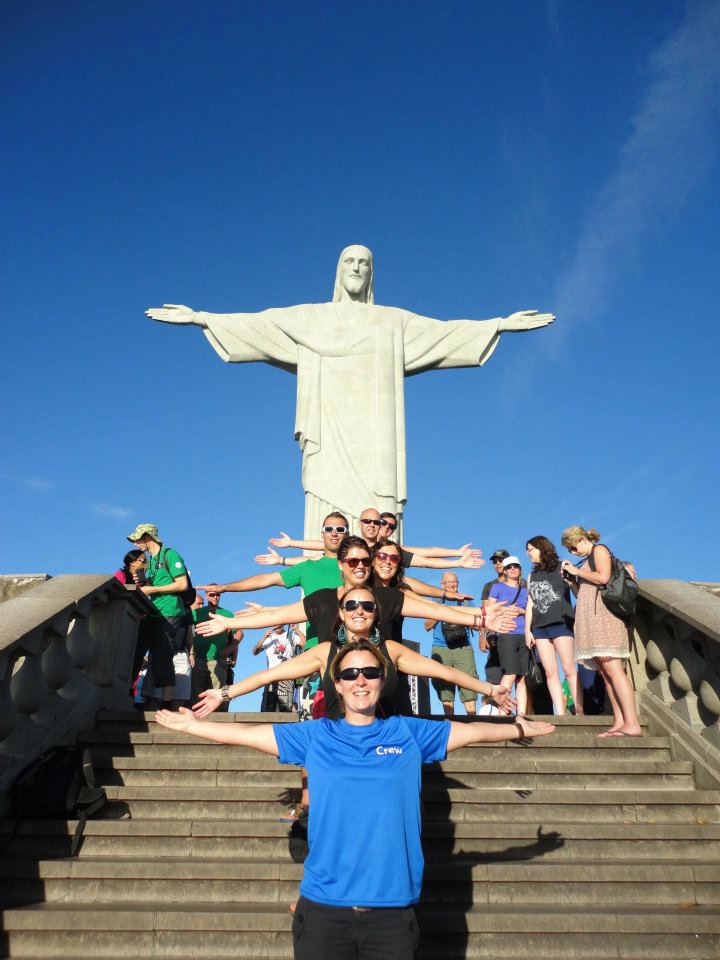
Most visitors start in Rio de Janeiro, Brazil's most famous city and home to the Christ the Redeemer statue. The deeper you travel into the country, the more the culture of Brazil is exposed. This is a chance to hear the soulful music which is influenced from Africa and Europe and brings the distinctive sounds of Samba, Choro, Brega and more, echoing throughout the land.

With the Amazon Rainforest covering large parts of Brazil, the natural environment is home to much wildlife and bio deversity. Eco safari in the rainforest and Pantanal are becoming popular elements of Brazilain tour

One of the many wonders is the language. Although Portuguese is the main language in Brazil, over 200 languages are spoken in the country, and the diversity of each reflects the diversity of the regions.

Brazil is also the place to taste  many unique foods. Inspired by others to cook, no matter what direction you head in the country, you are bound to find something new each time. To the south of Brazil is the taste of grilled meats that melt in your mouth, and to the north is the amazing Manicobo dish, that takes at least a week to prepare.

Chile

With some of the most diverse landscapes in the world, Chile has the beauty of it all. From  the driest deserts in the world, to the breathtaking sites of huge glaciers, this country is made for the outdoor enthusiast. Chile is a country full of volcanoes, lakes, rivers and beaches, and there is always an exciting adventure waiting to be found. If you venture off the beaten track, be prepared to make friends for life out of the welcoming locals.

A visit to Chile has to include a trip to the amazing capital of Santiago. This city stands at an amazing 1700 feet above sea level, and it is another place full of amazing landscapes and a gorgeous Mediterranean climate.

With so many locations to visit, the culture of Chile can be exposed through the sound of the music. Ranging from traditional folk music, to popular and classic sounds, the tradition of Chile is seeped into every area of the country.

Seafood is Chile's main cuisine and with so many dishes to try, it is an opportunity not to be passed upon. With 2700 miles of astounding coastline, Chile is the perfect location for the variety of dishes available.

So make friends with strangers, feel the vibe of Chilean music, and let Chile get into your pores.

Colombia

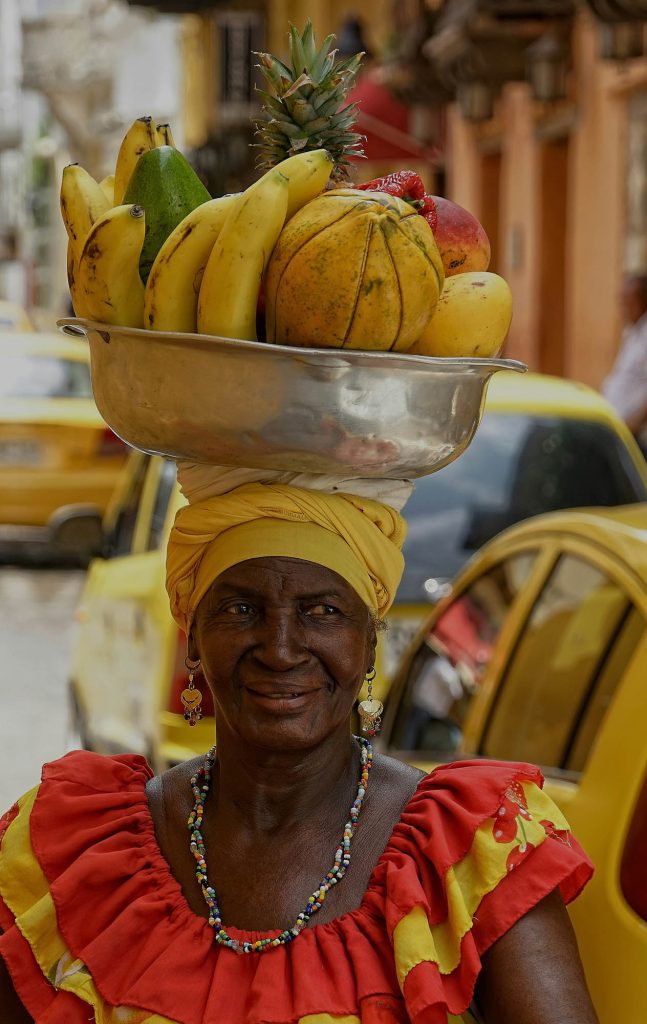
For most people Colombia is an unknown, the forgotten part of South America. This makes it a fantastic place to explore. Colombia's geography is one of the most diverse in South America; it really is a kaleidoscope of colour, life and culture. It has an undeserved reputation due to some internal instability but the warmth of its people mean that it is worth the challenge to see such a fascinating country. Colombia is on the beautiful Caribbean coast and the home to some of the best coffee in the world.

The culture of fiesta is a central to the national psyche with the country, playing host to some of the most fabulous carnivals in the world. The Carnival of the Barranquilla lasts four days, celebrating the tradition of Colombian dance and music.

With many festivals and parties, the opportunity to relax might sound out the question, but along with the lively ongoing parties, cooking is an important icon of Colombia. Fritanga is a set of dishes enjoyed throughout the country. A barberque style meat full of flavours and aromas that will leave your mouth watering is accompanied by small potatoes and tortilla style bread. If meat isn't your preference, then the plantain of many vegetables and pulses is a beautiful choice of a meal.

Colombia's glorious sands and upbeat lifestyle is there to be cherished, and there is no doubt it will leave a special mark on your travels.

Ecuador

Ecuador is a small country with a diverse landscape including highlands, volcanoes, numerous national parks, stunning Pacific beaches, and the enthralling Galapagos Islands.

The Amazon rainforest has the greatest bio diversity on the planet. And it's possible to take trips deep into the rainforest to see jaguars, monkeys, iguanas and uncountable numbers of insects. Off the coast is the Galapagos Islands, arguably one of the world's most prestigious wildlife destinations.

If  heart racing activities is more your thing then Ecuador has plenty to offer. Surf the waves, trek through the foothills or step out of the ordinary and try some mountaineering.

Aside from the outdoors and wildlife there are lots of great coloninal towns or cities. And Quito has a more relaxed atmosphere than most Latin American capitals. Lying in a hollow at the base of Volcano Pichincha, the old city is a maze of steep cobbled streets with finely carved overhanging balconies. Its mixture of colonial and new architecture together with its European and Indian cultures make this a fascinating city.

As you explore, the discovery of food will be found and the choice of a traditional meal is hard to turn down. Ecuadorian cuisine is again diverse, and different regions boast different meals. Meat, potatoes and rice are popular in the mountain regions, where as the coastal areas boast fantastic meals containing marinades of fish onions and delectable seasonings.

There are many types of music in Ecuador and the most popular is the rhythm filled, dancing type which can get you up on your feet and joining in with the sounds of panpipes, bamboo flutes,  drums and charangos.

With so much to offer and explore - Ecuador is the place to be if you want to try something new every day.

Peru

Peru is home to some of South Americas most glorious landmarks, and the opportunity to partake in an activity seem endless.

The capital is Lima and it is known of the City of the Kings, it was founded by the Conquistador Pizarro in 1535. The elegant architecture runs through the capital and the cultural effects of the museums are all tucked away in this classic city.

Any introduction to Peru wouldn't be complete without the Inca civilisation. Cusco is the ancient capital of the Inca empire. Even today, many of its buildings have original Inca stonework as part of their structure. The Incas had a highly organised and labour intensive society. They managed to conquer vast tracts of land and, through strong central and regional government, retained control over an empire that spanned South America, from mid Colombia in the north, to the middle of Argentina in the south and lasted for over four centuries.

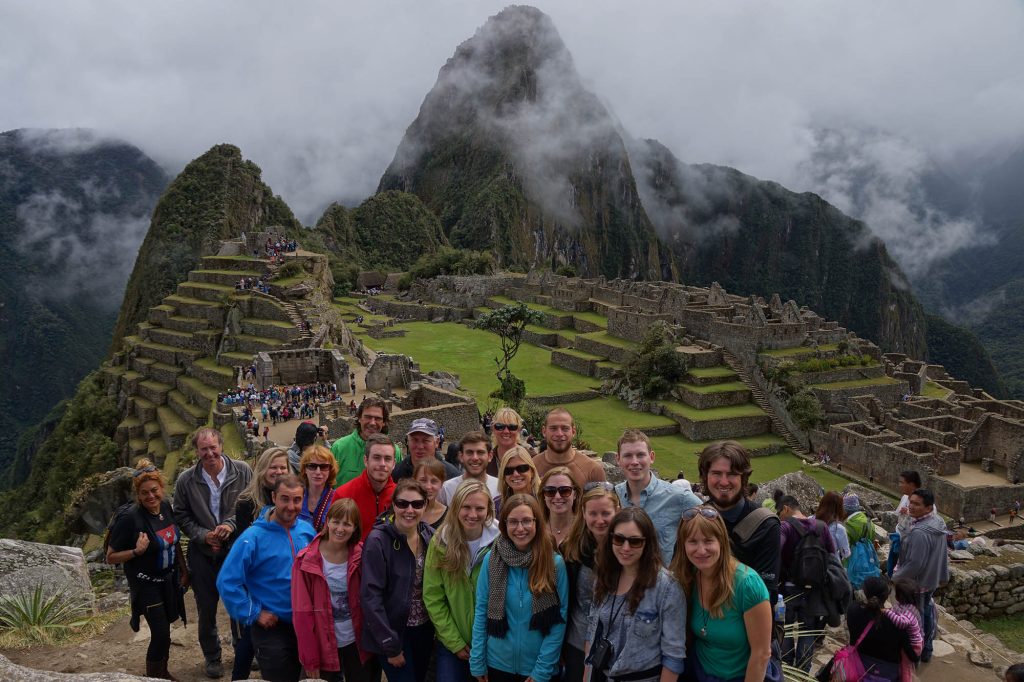
The most famous Inca legacy is undoubtedly the Inca Trail the ancient set of pathway in the Andes that include the route up to the fantastic site of Machu Picchu. You can trek through the countryside making your way through the unspoilt land and view the breathtaking scenery that carries on to the horizon and beyond. When you reach Machu Picchu you will realise what a beautiful place it is, no photograph can really do the site justice. The long forgotten site was rediscovered by Hiram Bingham in 1911 and is simply awe inspiring and is a must visit place in South America.

Peru is flowing with fabulous landscapes and this continues at Lake Titicaca. On the border of Peru and Bolivia it is the highest navigable lake in the world. In the culture of Lake Titicaca, comes the sound of panpipes. An Andean music form, this woodwind instrument plays tranquil sounds and is a nice form of relaxation. The Charango is the national instrument of Peru. This stringed instrument was from a Spanish influence and has a distinctive sound. The taste is as distinctive as the sound and the national dish of Ceviche. This is a fish based dish where the fish is 'cooked' in lemon or lime juice.

The history and sites of Peru are outstanding, but also the friendly welcome visitors receive make Peru one of the most enjoyable countries in the world to visit. 

Daily Itinerary

Day 1: Cartagena

Wed 19 Jun 2013

Border Information: If joining in Cartagena, enter Colombia at Cartagena airport.

Free time to explore Cartagena with a group meeting day at 18:00hrs. We stay in a comfortable hotel in central Cartagena

Hotel for the night: Villa Colonial

Villa Colonial

Calle de Maravillas (C10)

No 30-60, Getsemani

Cartagena

Tel: 664 4996 / 664 5421

Activity Approximate Cost

2 nights in vibrant Cartagena

Included in tour

Cartagena

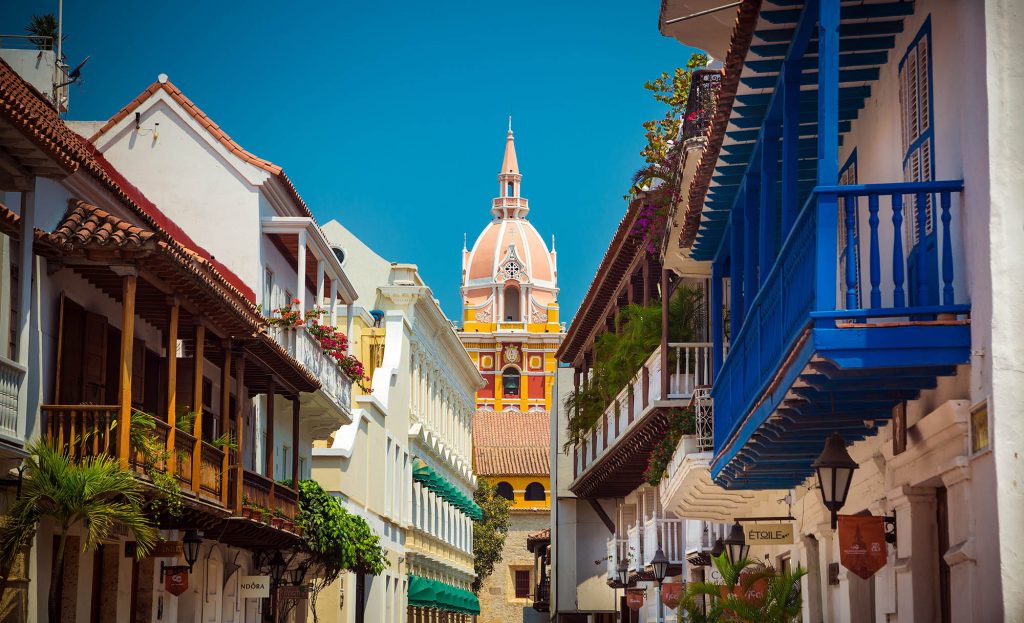
Cartagena is one of the most historic cities in South America. It is legendary both for its history and beauty and tends to be a favourite of all travellers who visit it. Having been the centre of many battles, the city is heavily fortified and huge defensive walls surround its narrow cobbled streets and colonial buildings. The city is made up of various districts, the new town with its high rise hotels, apartments and nightspots; and the older colonial parts of the city. The old city is the main attraction particularly the inner walled town, packed with churches, monasteries, plazas and mansions. Wandering through the streets you get a real feel of the sense of history of this amazing city. The waters of the Caribbean surround Cartagena on three sides. It is possible to take a day trip by boat to the idyllic coral islands of Rosario. This archipeligo of small coral islands is surrounded by the largest and most magnificent coral reefs on the Colombian Caribbean coastline. Marine life is abundant and the whole area is protected under National Park status.

Day 2: Cartagena

Thu 20 Jun 2013

A full day in the beautiful city of Cartagena. In the morning we will have a walking tour of the city and then the rest of the time is free for you to enjoy the many optional activities on offer. We stay in the same centrally located hotel.

Activity Approximate Cost

Explore Cartagena on a guided walking tour

Included in tour

Visit the historic Castillo San Fellipe

USD 20

Visit the mudbaths at the Totumo Volcano

USD 25

Go Diving Or Snorkelling Out To the Islas Del Rosario

USD 10

Day 3 to 4: San Bernardo Islands, Covenas

Fri 21 Jun to Sat 22 Jun 2013

We drive 150kms to Covenas on the Morrosquillo gulf and camp in the grounds of a local hotel for 2 nights near the beach with free time to relax. On the second day we will take a guided day tour out to the idyllic San Bernardo islands.

Activity Approximate Cost

Take a boat trip out to the spectacular San Bernardo islands for the day

Included in tour

San Bernardo Islands

The islands of San Bernardo are made up of ten small islands with fine beaches and are the real travel highlight of this area. Sitting within the Golfo de Morrosquillo in the Caribbean sea the archipelago belongs to the National Natural Park Corales del Rosario and San Bernardo and consists of the islands of Boqueron, Cabruna, Ceycén, islote of Santa Cruz, Mangle, Maravillar, Múcura, Palma, Pandora and Tintipán.

The Islet of Santa Cruz which is an artificial island is supposedly the most densely populated piece of land in the world with just over a thousand people in less than a hectare of land!

Not all of the islands are accessible but contain stunning beaches, marshes, mangroves and diverse wildlife ranging from flamingos and monkeys to birds and crabs of all colours.

Day 5 to 6: Medellin

Sun 23 Jun to Mon 24 Jun 2013

A 525kms drive takes us to Colombia’s second city, Medellin where stay in dorm accommodation in a centrally located hostel allowing you to enjoy the vibrant nightlife.

Activity Approximate Cost

2 Nights to explore the vibrant city of Medellin

Included in tour

Day trip to Santa Fe de Antioquia

USD 1

Visit the Catedral Metropolitana in Medellin

USD 1

Visit Medellin's beautiful Palacio de la Cultura Rafael Uribe Uribe

USD 1

Relax and unwind on a stroll though the Medellin's gorgeous Botanical Gardens.

USD 1

Medellin

The rapid transformation that has taken place in Colombia's second largest city is one like no other. Having spent the 1980's and 90's with international reputation of one of the world's most dangerous cities, Medellín has certainly turned itself around.

With the infamous Pablo Escobar and the Medellín Cartel holding the largest drug-trafficking base here for decades, the city suffered a seriously damaged reputation amongst international travellers and has only recently become a popular destination amongst backpackers. Despite the damage of the city's past, the Paisas (as people from Medellin are known) have strived to change the it's reputation. Almost nothing of those former days can be seen in the character of the city today and visitors can comfortably enjoy the beautiful architecture, excellent facilities and all round well developed city!

Set amid the rolling green hills of the Aburrá valley and with a warm climate and comfortable altitude of 1538 metres, Medellín has seen more and more travellers flocking to the city in the past few years. With some of the country's finest museums, parks and most impressive architecture as well as a much safer and comfortable atmosphere, it’s easy to see why.

Medellín is also one of Colombia's easiest cities to get around with the immaculate and convenient metro system passing all the main points of interest. If you use the metro then make sure you head up on El Teléferico, the city’s cable car, as this is included on your metro ticket and gives you a great view of the city.

Why not visit the Museo de Antioquia which combines pre-colombian exhibits with displays by several of Colombia's best known artists including a collection by the famous Fernando Botero and head to the 'Jardines Montesacro' to see where the infamous Pablo Escobar is buried.

A great side trip from Medellin is Santa Fe de Antioquia. Set in a lush low lying hot and sultry valley on the banks of the Rio Cauca, Santa Fe de Antioquia is the oldest settlement in the region. Founded in 1541 it served as the capital of the department until 1826 when the state capital moved to Medellin. The town has kept much of its Colonial charm, the narrow streets and whitewashed  colonial style buildings many of which with large central courtyard in which to relax away from the midday heat. The central plaza is dominated by the principal church of the town. The plaza is also home to a daily market where vendors sell various varieties of Tamarind product that grow locally, take a tour of the stalls and try a few samples of this local delicacy. There are several other churches and important colonial buildings to visit but the greatest pleasure is simply exploring the narrow streets infused with history of the region.


Day 7 to 9: Guatapé

Tue 25 Jun to Thu 27 Jun 2013

We make a short drive this morning of a couple of hours to the small town of Guatapé which is beautifully located aside a lake in rolling countryside. The town is famous for the towering El Peñón de Guatapé which will will visit before enjoying 3 days of camping by the lake for various activities in the local area.

Activity Approximate Cost

Cilmb the 644 steps to the top of El Peñón de Guatapé for spectactular views.

USD

Waterfall treks around Guatapé

USD 6

Hire kayaks to explore the lakes around Guatapé

USD 6

Rent mountain bikes to explore Guatapé

USD 3

Guatapé

Guatapé is a picturesque town surrounded by the Embalse del Penol, an artificial lake built in the early 1960’s and wonderful countryside yet with a colourful and historic centre. On weekends, the waterfront malecón (boardwalk) fills up with local vendors selling beautiful Paisa art, food, and souvenirs. The area is great for activities but one of the main reasons to visit is to see El Peñón de Guatapé, a 650 foot tall granite monolith that divides the countryside and offers amazing views from the top. El Peñón is very similar to Sugar loaf mountain in Rio de Janeiro and has 644 steps which you need to climb to get to the top, but it is well worth it.

Day 10 to 12: Manizales

Fri 28 Jun to Sun 30 Jun 2013

We head 185kms to Manizales where we stay for 3 nights on a coffee plantation, camping in the grounds of a traditional finca. During the next few days we will enjoy a night of music and dancing, a city tour of Manizales and a coffee plantation tour. Will will also visit a local childrens's charity which we support.

Activity Approximate Cost

Enjoy a night of traditional live Colombian music

Included in tour

Explore Manizales on a city tour

Included in tour

Explore a working Colombian coffee plantation

Included in tour

Stay On A Coffee Plantation Near Manizales

Included in tour

Visit to Sagrada Familia childrens project

Included in tour

Manizales

Manizales is a friendly city right in the heart of Colombia's coffee region with a comfortable climate and plenty to see and do. Although still opening up to international tourism, Manizales has a lot to offer the visitor in the way of outdoor activities and ecological attractions. The town itself is a relaxed and friendly place centred around the magnificent cathedral with attractions such as the botanical gardens, thermal springs and eco-parks all easily access able from the centre of town. Venturing a little further, you will find coffee haciendas and plantations in the surrounding area as well as some beautiful country landscapes perfect for trekking or just taking a relaxing break in the great outdoors.

In Manizales we stay on one of these working coffee plantations covering approximately 480 acres which provides people from around the world a taste of the finest Manizales fair trade coffee. The plantation employs around 100 people all throughout the year and about 400 people during the peak picking season.


Day 13 to 14: Cali

Mon 01 Jul to Tue 02 Jul 2013

Today we head out early overlanding to Cali, Colombia’s most lively city. In the evening there may be the chance to head out for a tour of the city in a traditional chiva bus and there is the chance for optional salsa classes. During the day time there are lots of attractions to keep you entertained.

Activity Approximate Cost

Explore Cali in the evening on a chiva bus

USD 10

Learn to Salsa like a local

USD 20

Enjoy Colombia’s best nightlife in Cali

Visit Cali Zoo, probably the best in South America.

USD 5

Get wet at Cali's Water park!

USD 5

Visit Museo Arqueológico la Merced, Cali's best museum.

USD 2

Visit the Museo del Oro in Cali, with it's wonderful gold collection.

USD 1

Cali

Cali is a big and bustling city with a warm climate and pleasant atmosphere. Although there are comparatively few sights of special interest, just wandering through the mix-match architecture and relaxing in the sociable parks and plazas is a nice way to spend some time.

The city has made it's reputation in traveller circles thanks to it's nightlife and social scene and as such is increasingly popular. The Salsa capital of Colombia provides great opportunities to test out those dance moves and hit the fashionable bars and restaurants with the locals. For party seekers and those who enjoy the faster paced city life, Cali shouldn't disappoint. Avenida Sexta, is Cali's party street. With rows of bars, clubs, restaurants and cafes, this is where to head for a night on the town.

For others, the old neighbourhood of San Antonio is a lovely spot with arty, Bohemian cafes, shops and restaurants lining picturesque Colonial streets.

Alternatively why not head to Las Tres Cruces which is a great point from which to catch the best views over Cali. It’s quite a hike up there but it's a peaceful spot and a nice break from the rush of the city.

Day 15: Popayan

Wed 03 Jul 2013

A short 140kms drive brings us to the beautiful town of Popayan where we stay for the night in dorm accommodation in a hostel.

Activity Approximate Cost

Overnight in the beautiful old town of Popayan

Included in tour

Popayan

Nicknamed the White City, Popayan is a beautiful colonial town of white-washed houses and grand churches encircled by rolling green hills. Although the capital of the Cauca region and the former capital of Southern Colombia, Popayan somehow retains it's relaxed small town feel. The friendly locals can often be found sipping coffee in one of the city's excellent cafes or relaxing in one of the shaded parks, catching up with friends and watching the world go by.

The cool and sunny climate of the lower Andes makes Popayan a very comfortable place to stay and as the main university town of the region, there's a young, sociable feel to the city. The leafy parks marked with elegant church towers provide a sociable and relaxed location where you could easily spend an afternoon, while an evenings entertainment could be chatting with the friendly locals in a classy cafe bar or salsa club.

Whilst staying in the town there are some lovely walks offering excellent views of the Historic Centre, several worthwhile museums and galleries and many good cafes, bars and restaurants to make the most of.

Another highlight of this area is the Silvia Indigenous Market. This beautiful Andean market town is absolutely bursting with colour and energy when the market opens on Tuesdays. Guambiano Indians from the surrounding communities make their way into Silvia to sell their produce and socialise with friends from neighbouring towns.

Day 16: Ipiales

Thu 04 Jul 2013

Today we drive the 315km to the border town of Ipiales. We stay the night in a local hotel.

Activity Approximate Cost

Visit the jaw dropping Santuario La Lajas on the outskirts of Ipiales

Included in tour

Ipiales

Ipiales is the border town on the Colombian side of the Colombia/Ecuador frontier. The town has some pleasant plazas squares and the sight of locals using a horse and cart gives it a quaint, countryside feel.

The star attraction of Ipiales, 7 km outside of town, is the famous Santuario de Las Lajas, the site of many a miracle and apparition over the years. Set amid breath-taking scenery, El Santuario is a spectacular gothic-style church straddling a dramatic gorge with rushing river below. It is one of the most impressive churches on the continent and its fantastic setting and quirky museum make it a highlight of any visit to Colombia.


Day 17: Otavalo

Fri 05 Jul 2013

Border information: Exit Colombia at Ipiales. Enter Ecuador at Ipiales

We cross the border into Ecuador and head to the Indian market town of Otavalo where we stay in a friendly hotel.

Activity Approximate Cost

Overnight stay in the market town of Otavalo

Included in tour

Horseriding, rafting, biking or village tour around Otavalo

USD 15

Otavalo

Otavalo is a small town known for it's market, nestled in beautiful surroundings a short distance north of Quito. Many of the local indigenous communities in this area still wear their traditional clothing made from intricately woven and decorated fabrics, and the men tend to wear their hair in long ponytails. Infact, the Otovalan's weaving skills are quite renowned and they are rightly famous for their textiles, so rugs, wall hangings and knitwear are all well worth buying here. There are numerous other activities to do in the surrounding area, including horse-riding and trekking into the surrounding hillsides. If you have time, it may also be possible to visit the hot springs at Papallacta.

Day 18: Quito

Sat 06 Jul 2013

120kms drive to the capital, Quito arriving in the afternoon where we stay in a local friendly hotel. En route we will stop at the Equator for the must have photo ops.

Activity Approximate Cost

Overnight stay in historic Quito

Included in tour

Visit the equator at Mitad del Mundo

Included in tour

Visit the Museo De La Cuidad

USD 2

Take a trip on El Telerifiqo, the world's second highest cable car

USD 4

Quito

Quito has a more relaxed atmosphere than most Latin American capitals. Lying in a hollow at the base of Volcano Pichincha, the old town is a maze of steep, cobbled streets with intricately carved, overhanging balconies. Its mixture of old colonial and modern architecture and the mix of European and Indian cultures make this a really fascinating city. Wandering around, you will come across stalls displaying Indian textiles, colourful wall hangings, jewellery, pottery and woodcarvings - and the old town has some of the best examples of Spanish colonial art and churches anywhere in the Americas.With so much to see and do, it is well worth extending your time in South America to ensure you experience all that Quito has to offer.

Day 19: Quito

Sun 07 Jul 2013

Free day to explore Quito.

Border information: If you are finishing in Quito, exit Ecuador at Quito airport.

Day 20: Quito

Mon 08 Jul 2013

Border information: If you are starting at Quito, enter Ecuador at Quito airport.

Day to explore Quito with a group meeting at 18.00hrs.  We stay in a local, friendly hotel in the city.

Hotel for the night: Alston Inn Hotel

Alston Inn Hotel

Juan Leon Mera N23-41 y

Ventimilla

Quito

Tel: 00 593 2 22 22721

Activity Approximate Cost

Overnight stay in historic Quito

Included in tour

Day 21: Coca

Tue 09 Jul 2013

Today we will drive around 350 km into the heart of the Amazon to Coca (Puerto Francisco de Orellana). This is where we will set off from tomorrow for our Jungle Expedition.

Coca

Coca is the more commonly known name for Puerto Francisco de Orellana, which is also the capital of the province of Orellana in the 'oriente' or the Est of Ecuador deep in the jungle. The city is located at the confluence of the Napo River and the Coca River which gives the nickname to the city.

Francisco de Orellana is the famous explorer who gives the name to the city. He explored the confluence of the Napo River and the Coca river. History says he set off from the current location of the city and made his way deep into the Amazon Jungle and river crossing indigenous tribes in which even women used to fight. He sailed all the way eventually makin it to the Atlantic. Francisco de Orellana died on his second expedition along the Amazon delta not being able to find his way through. 


Day 22 to 24: Panachoca Amazon Experience

Wed 10 Jul to Fri 12 Jul 2013

We will set off in the morning on a motorised canoe and leave civilization behind. for the next 4 days will be all about the jungle.

During your 3 nights here you will take trips out into the rainforest on foot and by boat to explore for wildlife.

Activity Approximate Cost

3 nights, 4 days exploring the deep jungle along the river Panachoca. Jungle walk, bird watching, piranha fishing and all that the deep jungle has got to offer, very far away from any other tourists. A truly unique experience.

Included in tour

Day 25: Rio Verde

Sat 13 Jul 2013

An early boat ride brings us back along the Rio Napo to Coca from where we rejoin our overland vehicle and drive 300kms to the beautiful town of Rio Verde. We stay at a campsite with great facilities

Activity Approximate Cost

2 or 3 nights camping at the stunning Rio Verde

Included in tour

Rio Verde

A few kilometres from Banos, is the small town of Rio Verde, named after the clear green water of the river that flows through the town. A number of waterfalls are found along its course, the most spectacular being The Devil’s Cauldron (‘El Pailon del Diablo’), a 20-minute walk out of town. Whilst staying here, you will have the opportunity to take part in optional adventure activities like as horse-riding, canyoning, mountain biking and rafting, as well as making the short trip into Banos to visit the thermal springs.

Day 26 to 27: Banos, Rio Verde

Sun 14 Jul to Mon 15 Jul 2013

These are non-driving days with free time for a range of adrenalin activities or a possible visit to nearby Banos. We stay at the same campsite

Activity Approximate Cost

Rafting and horseback trekking around Rio Verde

USD 35

Explore the beautiful hills surrounding Banos with an abundance of activities on offer

USD

Half day rafting at Banos, including lunch

USD 75

Half day canyoning at Banos

USD 45

Banos

Set in the hillside of the Tungurahua volcano is the exquisite town of Banos. Tungurahua may be the biggest volcano in Ecuador, but it is also one of the most popular to climb. This creates hiking opportunities and if you explore you will discover the thermal baths and gorgeous waterfalls. Banos is also the perfect place if you want exciting bike rides when the unknown always lies ahead. Pitch black tunnels, sheer drops - it is a place for the bold, it is a place for the daring and most importantly, it is a place that will bring out the adrenaline seeker in us all!

Day 28: Chugchilan, Lake Quilotoa

Tue 16 Jul 2013

An hour’s drive brings us to the town of Quilotoa to see the stunning Crater Lake and begin one of Ecuador’s best day hikes back to Chugchilán. We will trek with a local guide and the mostly downhill trek takes between 4-6 hours. There is however a section towards the end of the trek with a steep incline which you will need to be physically fit for.

Activity Approximate Cost

Overland around the stunning Quilotoa Loop

Included in tour

Trek from Quilotoa to Chugchilan

Included in tour

Go Mountain Biking around Chugchilan

USD 20

Chugchilan

Set on the slopes of the Rio Toachi Canyon, Chugchilán is our base for 2 nights where we either stay in a wonderful eco-lodge or an equally fantastic hostel. From the front door of the lodge, several day hikes are available, the most famous being one from Lake Quilotoa which is considered to be one of the best hikes in Ecuador.

We will drive from Chugchilán to Quilotoa where you will be able to climb down the crater to the waters edge before we begin a 4-6 hour guided trek, mainly downhill, back to our eco-lodge base. A moderate level of fitness is required as the trek is at altitude but the walking itself is not too strenous.

Lake Quilotoa

Lake Quilotoa is a beautiful volcanic crater lake located at 3800 metres (12,400 feet) between the towns of Zumbahua and Chugchilán.  Its emerald water spans two kilometres.  Local legend claims it is connected to the ocean and is therefore salty and sulfuric.  Quilotoa is an active volcano, the last major eruption was over 850 years ago. 

It is possible to hike down from the crater rim to the lakeside. The descent takes 30 minutes and climbing back up takes about an hour.  It is possible to swim in the lake, but the water is very cold (5° celsius).  If the climb back up from the laguna is too strenuous, you can hire a mule to ride for a few dollars.

The lake also lends it’s name to the Quilotoa Loop, given to the winding circuit of spectacular dirt roads that connect Lake Quilotoa to Latacunga and the Pan-American Highway. The roads that lead away from Latacunga are unpaved, winding and have spectacular views of the mountains, rivers and verdant landscape. We will head to the town of Chugchilán on the northern section of the loop and after a 2 night stay head out on the southern section of the loop allowing you to see some of the more remote people and culture of the central Andes of Ecuador.

Day 29: Chugchilan

Wed 17 Jul 2013

An early morning starts a 300kms drive on the northern section of the spectacular Quilotoa Loop to the town of Chugchilán. We stay the night in a fantastic hostel.

Day 30: Riobamba, Chugchilan

Thu 18 Jul 2013

This morning we will drive the southern section of the Quilotoa Loop and then head to the Riobamba area where we probably will stay in a hotel for the night but may push on and find somewhere to camp. We will cover approximately 320kms today.

Day 31 to 32: Cuenca

Fri 19 Jul to Sat 20 Jul 2013

A 250kms drive will take us to to Cuenca with a chance to explore the town and possibly visit it’s famous Panama Hat factory.

We spend the next 2 nights in a guesthouse

Activity Approximate Cost

Overnight in colonial Cuenca

Included in tour

Cuenca

Cuenca is Ecuador's third-largest city and it's small centre is home to some beautiful architecture. This small university town is a pleasure to wander around and explore, take to the streets and you'll discover impressive churches that date back to the 16th and 17th Centuries, attractive colonial buildings, tranquil plazas and lively markets. The Ecuadorians consider it the finest city in the country and many of its buildings are constructed from marble and decorated with stunning woodwork and ironwork. Cuenca is also the home of the Panama hat, and you can visit some of the famous hat factories, where you can watch the craftsman and marvel at their skill first-hand.

Because of all the students who are based here, the town has a lively night-life and there are some good bars and restaurants to choose from. Top that off with an evening stroll around the Plaza and you'll have spent the perfect day enjoying the city.

Day 33: Punta Sal

Sun 21 Jul 2013

Border information: Exit Ecuador at Tumbes. Enter Peru at Tumbes.

A 285kms drive takes us across the Peruvian border to Punta Sal, on the shore of the Pacific Ocean where we camp at a hostel

Activity Approximate Cost

Try horse riding, fishing, salsa and surfing at Punta Sal

USD 20

Punta Sal

Situated on the shores of the Pacific Ocean in a long, curvy bay, Punta Sal is a haven of sun and sand. The warm and tranquil waters are a pleasure to swim in and there's also the opportunity to set out on fishing trips and boat trips along the coast line. For those who prefer to stay on dry land, horse riding along the beach and salsa lessons can be arranged, or just kick-back in a hammock and laze the day away, enjoying the peace and quiet of this beautiful spot.

Day 34 to 35: Punta Sal

Mon 22 Jul to Tue 23 Jul 2013

2 days with free time to enjoy the beach and activities at Punta Sal. Second and 3rd night camping at the same hostel.

Activity Approximate Cost

3 night stay on the pacific coast at Punta Sal

Included in tour

Day 36: Lambayeque, Huanchaco

Wed 24 Jul 2013

610kms drive to Huanchaco, visiting Lambayeque for the Lord of Sipan Museum visit enroute. On arrival in Huanchaco we will be camping at a site with good facilities

Activity Approximate Cost

Explore the northern Peru Desert

Included in tour

Guided tour of Moche Pyramids and the Chimu city of Chan Chan

Included in tour

Visit to the Lord of Sipan Museum

Included in tour

Lambayeque

The small Peruvian town of Lambayeque is home to the impressive Museo Tumbas Reales de Sipan, a world-class museum that showcases the finest artefacts from the archaeological finds at nearby Sipan. This area on the northwest coast of Peru is well known for its rich historical heritage and the name Lambayeque originates from the ancient pre-Inca civilisation of the Lambayeques. Amongst the most extraordinary discoveries made here is the famous ‘Lord of the Sipan’, a Moche Priest found buried amidst an array of gold, jewels and fabrics.

Huanchaco

Once the capital of the ancient Peruvian Moche civilisation, Huanchaco is a small town on the Peruvian coast that is rapidly acquiring a reputation for the quality of the surfing off its relaxed beaches. Wandering along the sea front you will come across the local fishermen's "caballitos de tortora", curved reed boats that they leave propped up in groups together on the sand.

Huanchaco is an ideal location from which to explore the numerous archaeological ruins the surround nearby Trujillo, such as the enormous pre-columbian complex of Chan Chan, a vast adobe city constructed by the emporer of the Chimu people, as well as the world famous Moche pyramids the Huaca del Sol and Huaca de la Luna.

Day 37: Huanchaco

Thu 25 Jul 2013

Visit to numerous ruins in and around Huanchaco, the enormous ruins of Chan Chan, and the world famous pyramids of Huaca del Sol and Huaca de la Luna. We stay at the same campsite.

Day 38: Lima

Fri 26 Jul 2013

A full drive day of 530kms brings us to the country’s capital, Lima, arriving late in the afternoon. We stay in a comfortable hotel in the city centre

Activity Approximate Cost

Visit the Gold Museum & Catacombs of Lima

USD 20

Overnight stay in colonial Lima

Included in tour

Lima

Lima is a city of hidden beauty. Dive in and explore the Peruvian capital's streets, parks and plazas and you will discover a real gem of a city. Infact there's so much to see here, a city tour is a great opportunity to find out about more about the rich history of Lima itself and Peru as a whole. The city was founded by Conquistador Pizarro in 1535 and was originally the administrative centre for Spain’s Vice royalty in South America, making it the continent’s most important city for nearly three centuries. It became a city of great wealth financed by the massive quantities of gold and silver that were mined in the area.

Whilst you are here there are many museums you can visit, such as the Museo de la Nacion and the Gold Museum, which showcase the finest artefact's from the country's many ancient civlisations. You can also visit the finely preserved catacombs at the Church of San Francisco, and take in a bit of local culture at an evening folklore show.

Day 39: Lima

Sat 27 Jul 2013

Free day to explore Lima.

Border information: If you are leaving in Lima, exit Peru at Lima Airport.

Hotel for the night: Hostal Bonbini

Hostal Bonbini

Jiron Cailloma 29

Centro

Lima

Tel: +51-1-4274681

Day 40: Lima

Sun 28 Jul 2013

Border information: If you are starting in Lima, enter Peru at Lima Airport.

Day free to explore Lima, with a group meeting at 18:00 hrs. We stay in a good quality hotel in the centre of the city.

Hotel for the night: Hostal Bonbini
Activity Approximate Cost

Overnight stay in colonial Lima

Included in tour

Visit the Gold Museum & Catacombs of Lima

USD 20

Day 41: Paracas, Ballestas Islands, Huacachina

Mon 29 Jul 2013

We have a very early start and head south and out of Lima to begin a 270kms drive to Paracas. There we board a boat trip to the Ballestas Islands to view wildlife before returning to Paracas to explore the national park. We will bush camp either in Paracas National Park or in Huacachina for optional sand boarding and dune buggying

Activity Approximate Cost

Visit to Paracas National Park, coastal wildlife reserve.

Included in tour

Boat trip to see the seals & seabirds on the Ballestas Isles

Included in tour

Paracas

Spanning 335,000 hectares of land and sea, Paracas National Park is widely regarded as one of the most important marine reserves in the world. This coastal and marine national park is located on a peninsula in the Pacific Ocean and is home to one of the highest concentration of marine birds in the world. Providing a vital habitat for sealions and dolphins, Paracas is without doubt one of the most biologically diverse coastal areas in the Americas.

Historically the peninsula was the home to the Paracas people from 1200BC through to around 200 AD and some remains of their culture can be found in the area, the most spectacular of which is the enormous candelabra - a giant etching depicting a cactus inscribed onto a coastal hill overlooking the ocean.


Ballestas Islands

The Ballestas Islands has weird and wonderful wildlife. From the boat trip you will be able to see Humboldt Penguins, Blackish Oystercatchers, Guano Cormorants and Peruvian Boobies living alongside vast colonies of Sea Lions nosily crowding the Ballestas coastline. The startlingly biodiversity around the Ballestas Islands and Paracas National Park is the result of two merging currents; the warm northern waters El Nino and the cooler waters of the Humboldt. The climatic conditions produced by the combination of these two currents create the perfect environment for a proliferation in the number of plankton and fitophankton, the core constituents in the diet of fish. The Ballestas Islands are one of the most popular ecotourism points of view along the Peruvian coast.

Huacachina

Known as the 'oasis of America', Huacachina is near Ica in northern Peru, and is perhaps more reminiscent of the Sahara than South America. The picturesque lagoon is surrounded by palm trees and towering sand dunes and creates a tranquil oasis in the dusty coastal desert. The small town here has become a popular destination for sand boarding and buggying, although care should be taken before going on any of these trips, as standards are not always quite up to western expectations.

Day 42: Huacachina, Nazca

Tue 30 Jul 2013

In the morning we will have a chance to stock up on supplies before driving approximately 200kms to Nazca where we camp. En route we have the chance to glimpse the Nazca lines from a viewing platform

Activity Approximate Cost

Dune buggying or boarding in the spectacular sand dunes of Peru Desert

USD 20

Nazca

Nazca is home to the famous and enigmatic Nazca lines, enormous designs inscribed in the Desert on the arid high plateau between Nazca and Palpa. Many of the lines form stylised depictions of animals, for example you can make out llamas, monkeys, sharks and spiders, as well as trees and other designs.

Archaeologists believe the lines were created between 200BC and 700AD by three successive, different civilisations. The global importance of the region is reflected in UNESCO's declaration of the Nazca lines as a World Heritage Site in 1994. You can view the lines from viewing towers or take a flight in a small plane to see them from above.

Important - Flight over the Nazca Lines - As of November 2010 some western countries' travel advisories advise against this optional activity due to concerns around proper aircraft safety and maintenance standards not being reliably adhered to. For more information please refer to your country's travel advice website. Please note that due to Dragoman's internal safety policy our leaders are specifically prohibited from recommending or assisting with booking this activity.

Close to Nazca is the Chauchilla Indian Cemetery, where you can see the tombs of people of the ancient Nazca civilisation, dating from 100AD to 700AD. It is something of an eerie sight to see the skulls, bones and even hair of the dead, preserved in a remarkable state thanks to the dry desert air.

Day 43: Nazca, Puerto Inca

Wed 31 Jul 2013

In the morning there is an optional flight over the mysterious Nazca lines and an included visit to Chauchilla cemetery. In the afternoon there is a 270kms drive to Puerto Inca for an overnight stay at a beach camp site

Activity Approximate Cost

Visit to the Nazca Lines and Chauchilla Cemetery

Included in tour

Fly over the Nazca lines

USD 100

Puerto Inca

Puerto Inca is situated on the Peruvian coast in a beautiful bay and was once the Inca port that supplied the city of Cusco with supplies of fish. There are a number of Inca ruins here, which includes a cemetery, a temple of reincarnation and part of the road that set out from the coast to Cusco is still clearly visible. It is a great place to relax with a nice beach, the sea and swimming pool; water sports are also sometimes available. However, swimmers should be aware that there is often a strong under-current here.

Day 44: Arequipa

Thu 01 Aug 2013

380kms drive day takes us to altitude and to the ‘white city’ of Arequipa where we overnight in a good quality hotel

Activity Approximate Cost

2 night stay in the beautiful white city of Arequipa

Included in tour

Arequipa

Situated on the Peruvian Altiplano, Arequipa sits at almost 3500 meters above sea level and is the second largest city in the country. Set against the stunning backdrop of the snow-covered volcano "El Misti", salt lakes, thermal springs and high-altitude deserts, the landscape of the area around Arequipa truly unique. If you have time, it's possible to arrange mountain-biking and rafting trips in the area as day tours from the city - and at certain times of year you can even try for an ascent of El Misti itself, though it's not an easy trek at these altitudes, so not for the faint hearted.

The city itself is very beautiful, full of beautiful colonial buildings built out of the soft white volcanic rock that is found in the area. As a university town, there is always a lively buzz about the place and there are plenty of good bars and restaurants to discover.

No trip to Arequipa would be complete without paying a visit to Juanita, the "Ice Maiden." This mummy of a young Inca girl has been described as one of the 10 most important historical discoveries of recent times by Time Magazine. Because the body was frozen at such low temperatures and high altitude, a really extensive study into the physical health of ancient Peruvian civilisations has been possible, with fascinating results. You should also try to visit the Santa Catalina Convent, which is almost a city within a city in the centre of the town. Not only are the buildings of the convent stunningly beautiful, with brightly painted walls and shady courtyards, it also has a fascinating history which you can learn about on a guided tour.

Day 45: Arequipa

Fri 02 Aug 2013

Free day to explore the colonial city of Arequipa

Activity Approximate Cost

Guided tour of Arequipa's Santa Catalina convent

USD 10

Day 46: Chivay and Colca Canyon, Chivay

Sat 03 Aug 2013

Time in Arequipa to explore further in the morning. Then drive 150 km drive to Chivay with an optional visit to thermal springs. Overnight in a hotel at Chivay.

Activity Approximate Cost

2 night stay and guided trip to see Colca Canyon and condors

Included in tour

Visit the thermal springs in Chivay

USD 10

Chivay and Colca Canyon

Chivay is a small town nestled in the hills at the base of the Colca Canyon. The River Colca runs from high in the Andes right down to the Pacific, and between Chivay and Cabanaconde it flows through the bottom of a deep gorge, often claimed to be the deepest in the world. It is certainly spectacularly beautiful, the vast Andean terraces tower up over the canyon, dotted by tiny villages that haven't changed in centuries. The canyon is also renowned as a haven for condors and they can often be seen here at quite close range as they float on the rising thermals and scan for carrion far below. Catching a glimpse of these magnificent birds as they rise from their nests, gliding high above you is a truly magical experience and one you will never forget.

Chivay is also home to some natural hot springs that provide a welcome relief from the cold night air high up here in the Andes. The springs are known as "La Calera" and are located just a short distance outside the town.

Chivay

Upstream from the renowned  Colca Canyon, lies the rural town of Chivay. Heated pools just outside the town are one of the main highlights and a place to relax after a morning exploring the town centre and markets. Another magnificent site is the stone Inca bridge that crosses the Colca River Ravine that is thousands of years old.

Day 47: Chivay and Colca Canyon, Chivay

Sun 04 Aug 2013

Short driving day to visit the spectacular Colca Canyon to view condors and also local communities. Overnight in the same hotel at Chivay.

Day 48: Raqchi

Mon 05 Aug 2013

Drive day to Raqchi and stay overnight in local homestay. We stay in traditional family houses with clean but basic facilities. Whilst we are there we enjoy some of the ceremonial aspects of village life as well as much singing and dancing. This is a great local experience.

Activity Approximate Cost

Quechua Indian homestay and community crafts project

Included in tour

Guided visit to the Raqchi ruins

Included in tour

Raqchi

Raqchi is a small village situated a short distance outside of Cusco. On Dragoman trips we stay here as guests of the local families in their traditional houses, a fantastic way to get a real insight into how people live here and to learn about their culture and customs. If we are lucky there may be the chance to participate in some of the ceremonial and spiritual aspects of village life - and there is always plenty of singing and dancing as we get to know our new Peruvian families. The village is also well known for it's talented craftsmen and women and there will be the chance to buy some of the beautiful hand-made and intricately decorated pottery that is made here.

Day 49: Cusco

Tue 06 Aug 2013

In the morning we visit the ruins at Raqchi and also a local artisan centre. In the afternoon we drive 160kms drive to Cusco. Overnight in a lovely colonial hotel

Activity Approximate Cost

7 nights in and around Cusco and the Urubamba Valley

Included in tour

Cusco

Cusco is the ancient capital of the Inca empire and any adventure tour to Peru is centred around this stunning city. Even today, many of its buildings still retain some of the original Inca stonework as part of their structure. It is interesting to know that despite their advanced civilisation, the Incas did not know how to write and had not invented the wheel, yet they were skillful irrigation engineers, inventing the suspension bridge and hammock. They must have had theories on constructing buildings to avoid damage by earthquake, which may account for the way they fitted huge carved blocks of granite together in an incredibly precise jigsaw when creating new structures. Examples of their amazing building techniques can still be seen in and around Cusco, including the infamous "twelve sided stone", now famous as part of the logo of Cusco's native "Cusquena" beer.

The town is a fantastic place to spend a fews days. A good place to start your explorations is the majestic main plaza, heading out into the cobbled streets lined with attractive colonial buildings. Head up the hill into the neighbourhood of San Blas and you will discover another hidden square with a quiet laid back feel. All the streets are lined with shops, bars and restaurants, from small local cafes to five star dining experiences. If you're interested in learning more about the history and culture of Peru, there are also some fantastic museums here and the many churches are well worth a look as well. So take to the streets and wander around, haggle with the street vendors, kick-back and enjoy a coffee in one of the many cafes with balconies overlooking the square and just enjoy Cusco and it's beautiful surroundings.

Cusco is also the gateway to Machu Picchu with most people trekking one of the many Inca Trails to reach this ancient Inca city.  Most of our overland expeditions include trekking to Machu Picchu - for longer overland expeditions please see below.  For shorter alternatives take a look at:

Lima to La Paz

Lima to Cusco

Cusco to La Paz

Day 50: Cusco

Wed 07 Aug 2013

Non-driving day with free time to explore the wonderful city of Cusco, the capital of the Inca kingdom. There will be a trekking briefing today and we stay in the same colonial hotel

Day 51 to 54: Inca Trail , Sacred Valley, Cusco

Thu 08 Aug to Sun 11 Aug 2013

Trekking in the Andes - We will have a tour of the sacred valley and either begin the community trek or the classic trek to the world heritage site of Machu Picchu. The nights are spent camping. 

Activity Approximate Cost

EITHER

Hike unspoilt Inca Trails and visit Quechua communities in remote stunning Andes scenery away from tourist treks on our exclusive Inca Trails Community Trek

OR

Trek the Classic Inca Trail up the Royal Inca Road

IF YOU WISH TO BOOK THE CLASSIC INCA TRAIL THIS MUST BE ADVISED AT TIME OF BOOKING OTHERWISE YOU WILL AUTOMATICALLY BE PUT ON OUR COMMUNITY TREK.

Included in tour

Tour of the Sacred Valley, Sacsayhuaman and Ollantaytambo

Included in tour

Inca Trail

When people talk about "The Inca Trail", they are usually refering to a particular trekking route that follows a ancient pathway that leads to Machu Picchu. What many people don't realise is that there are a actually a huge number of Inca Trails that criss cross the Urubamba Valley and surrounding mountain ranges, many of which are genuinely remote, rarely used by western tourists, offering a chance to experience the real unspoilt Andes. On all Dragoman overland tours that travel via Cusco we offer you the choice to trek either the "Classic" Inca Trail or our unique alternative, the Community Inca Trek, which is exclusive to Dragoman (and by the way, it's not the Lares trail that many other operators use!)

The Classic Inca Trail

The "Classic" Inca Trail route usually starts at Kilometre 82 of the Cusco –Machu Picchu railtrack, taking in Abra Warmihuañusca (Dead Woman's Pass, 4200m) and the ruins of Phuyupatamarca and Wiñay Wayna en route, eventually arriving at the Sun Gate above Machu Picchu early in the morning after 3 days of trekking. This route is still extremely popular as it is seen by many as the "original" Inca Trail, it's also probably the best trek to choose if you're really interested in history and archaeology, because of all the other Inca sites it passes along the way.

Unfortuantely, in recent years the classic trail has almost become a bit of a victim of it's own popularity. It is important to realise that the trail is now very busy, with 500 people starting the trek every day. There are only a certain number of places where it is feasible to camp, so your group will be camped alongside others, and you will meet a lot of other trekkers along the way. Nevertheless, it is still an awesome trek, passing through some stunning scenery from snow-capped peaks to abundant cloud forest, and the sense of achievement you'll have when you catch your first sight of the Lost City of the Incas is something you'll never forget.

The Community Inca Trek

Dragoman's Community Inca Trek is a unique trekking route where you'll hike through pristine unspoilt andean scenery, walking ancient Inca Trails and staying as guests of the local communities as part of our pioneering community-based tourism project, Tarpuy Yachay. This trek is all about getting away from the overcrowded thoroughfares of the Classic Inca Trail and getting out into the real Andes - not to mention being part of a project with provides a genuine, direct benefit to the host communities we travel through, by supporting education, income generation and environmental sustainability projects. The trek itself is about the same as the Classic Inca Trail in terms of length and difficulty, taking three to three and a half days and ascending to about 4800m when you cross the highest pass. The scenery out here is truly magnificent, spectacular mountain peaks, verdant hillsides dotted by isolated villages and the odd llama and alapaca, you are unlikely to see another tourist here. If you were to ask Dragoman which one we prefer, there is no contest, Community Inca Trek and Tarpuy Yachay Project is a much better and far more worthwhile experience.

Why we think the Community Inca Trek is better than the Classic Inca Trail:

And a few things to consider when choosing the Community Inca Trek:


 For longer overland expeditions please see the trips listed below.  For shorter alternatives take a look at:

Cusco to La Paz

Lima to Cusco

Lima to La Paz


Sacred Valley

The valley of the Urabamba river is more often referred to as “El Valle Sagrado de los Incas”, or the Sacred Valley. Close to Cusco in Peru, the valley extends from the small market town of Pisac to Ollyantytambo, nestling at the foot of the Andean mountain ranges that are home to the magical lost Inca city of Machu Picchu.

Together with Machu Picchu itself, the Sacred Valley was a cradle of the Inca empire. The area is littered with archaelogical sites which include the magnificent ruins of Pisac, Sacsayhuaman and Ollyantytambo, as well as the Lost City itself. Together with the temperate climate, lively markets, sleepy andean villages and stunning surrounding landsccape, the rich history of the area makes it a truly bewitching place.

If you travel with Dragoman, whether you choose to take the Community Inca Trek, the Classic Inca Trail, or not to trek at all, everyone in the group will be able to take part in a tour of the Sacred Valley. We will typically leave Cusco first thing in the morning and drive to Sacsayhuaman ruins which are just 15 mins from our hotel. These ruins are best known for the gigantic blocks that make up the zig zag frontal of this fort like construction. There are many theories as to why Sacsayhuaman was originally built and what it was used for but the most likely is that it was a temple complex where offerings were made to appease the gods.

Sachsayhuaman is an amazing place and the early morning light makes the great view of the Cusco rooftops that we get here even more beautiful. We then head further on into the Sacred Valley proper, stoping high on the mountainside to explore the ruins of Pisac. We will walk downhill along small pathways, through ancient arches, storage buildings and houses, learning about the history of the site from our local guide. When we have finished exploring we head down to Pisac town where we have time for lunch and can do a bit of shopping in the extensive handicrafts market that the town is famous for.

Here our groups split, and those doing the Community Inca Trek drive up into the highlands of the Cordillera Urubamba. The drive itself is amazing with stunning views as we wind up towards the trailhead. On this trek you return to the Sacred Valley, arriving in Ollantaytambo at the end of your trek, where you are joined by any of your group who prefer not to trek at all for a guided tour of this Inca site, before leaving next morning on the early train for Machu Picchu. Those who choose to trek the Classic Inca Trail will head straight to Ollantaytambo from Pisac, exploring the ruins here that afternoon and camping overnight, heading to the Classic Inca Trail start point early the next morning.

Day 55: Machu Picchu

Mon 12 Aug 2013

Visit to Machu Picchu one of the world's most iconic sights. We'll have a guided tour with a local expert and plenty of time on site before catching the train back to Cusco.

Activity Approximate Cost

Guided tour of Machu Picchu

Included in tour

Train back from Machu Picchu to Cusco

Included in tour

Machu Picchu

Machu Picchu is usually the highlight of any adventure tour to Peru.  It is one of those genuinely magical places, and catching your first glimpse of the lost city of the Incas through the early morning mist is definitely a moment you’ll never forget.

The most popular way to approach the ruined city is via one of the many Inca trails that wind their way through the Andes Mountains.  The Classic Inca Trail is a much-used route taking four days and culminating with an arrival at the 'Sun Gate' at sunrise on the final morning from where you descend into Machu Picchu itself.  However the sheer number of trekkers following this route has resulted in erosion, deforestation, litter and overcrowding at campsites. To address this issue Dragoman has been running a 'Community Inca Trail' for the past seven years. This unspoilt route is totally unique to Dragoman clients so you will be able to enjoy the trek in peace and away from the crowds on the main trail.  It visits local communities allowing you to learn about the Quechua way of life and travels through stunning mountain scenery enabling you to fully appreciate the majesty of the Andes.

Machu Picchu itself is stunningly located, perching high in the Andes surrounded by verdant cloud forest, with the River Urambamba running through the gorge far below.  It's thought that the city was the location of a royal palace and estate, home to the Inca emperors, or possibly a sacred religious and ceremonial sight.

Discovered in 1911 by the explorer Hiram Bingham, although the ruins were heavily covered by dense jungle foliage, many of the buildings were well preserved and in excellent condition. The city consists of more than 200 buildings, from houses to temples, storage buildings and public spaces. It's fascinating to be able to gaze down on the city from above and imagine how it would have looked during the height of the Inca empire.

Most of our adventure tours to Peru include trekking to Machu Picchu - for our longer overland expeditions see the trips listed below.  For shorter alternatives take a look at:

Lima to La Paz

Lima to Cusco

Cusco to La Paz

Day 56: Cusco

Tue 13 Aug 2013

Free day to explore the city or do activities such as white water rafting.

Border information: If you are leaving in Cusco, exit Peru at Cusco Airport.

Activity Approximate Cost

White-water rafting and mountain biking in the Cusco region

USD 40

Day 57: Cusco

Wed 14 Aug 2013

Border information: If you are starting in Cusco, enter Peru at Cusco Airport.

Group meeting at 10:00 hrs to plan the following day's trekking with the rest of the day free to enjoy Cusco. We stay in a good quality colonial hotel in Cusco.

Hotel for the night: Hotel Cahuide

Hotel Cahuide

Calle Saphi No 845

Cusco

+ 51 84 222771


Activity Approximate Cost

7 nights in and around Cusco and the Urubamba Valley

Included in tour

Day 58 to 61: Inca Trail , Sacred Valley, Cusco

Thu 15 Aug to Sun 18 Aug 2013

Trekking in the Andes. We will have a tour of the sacred valley and either begin the community trek or the classic trek to the world heritage site of Machu Picchu. The nights are spent camping.

Activity Approximate Cost

Tour of the Sacred Valley, Sacsayhuaman and Ollantaytambo

Included in tour

EITHER

Hike unspoilt Inca Trails and visit Quechua communities in remote stunning Andes scenery away from tourist treks on our exclusive Inca Trails Community Trek

OR

Trek the Classic Inca Trail up the Royal Inca Road

IF YOU WISH TO BOOK THE CLASSIC INCA TRAIL THIS MUST BE ADVISED AT TIME OF BOOKING OTHERWISE YOU WILL AUTOMATICALLY BE PUT ON OUR COMMUNITY TREK.

Included in tour

Day 62: Machu Picchu

Mon 19 Aug 2013

Visit to Machu Picchu one of the world's most iconic sights. We'll have a guided tour with a local expert and plenty of time on site before catching the train back to Cusco.

Activity Approximate Cost

Guided tour of Machu Picchu

Included in tour

Train back from Machu Picchu to Cusco

Included in tour

Day 63: Cusco

Tue 20 Aug 2013

Relax after the trek with optional activities available such as white water rafting. Overnight in the same colonial hotel.

Activity Approximate Cost

White-water rafting and mountain biking in the Cusco region

USD 40

Day 64: Puno, Sillustani Ruins

Wed 21 Aug 2013

In the morning we have a 440kms drive to Puno. We will visit the Sillustani ruins and museum en route and overnight in hotel

Activity Approximate Cost

Visit to the pre-Inca Sillustani Ruins near Puno

Included in tour

Puno

Located on the shores of Lake Titicaca in the south eastern part of Peru is the small town of Puno. The town is a melting pot of Aymara and Quechuan Indian culture and traditional andean customs are still strongly represented here.

Puno is known as the folkloric capital of Peru as result of the wealth of artistic and cultural expressions, particularly dance, that originate here. Many festivals are celebrated here, so if you're lucky your visit might coincide with one of the colourful evening parades, when the streets fill with costumed dancers and musicians.

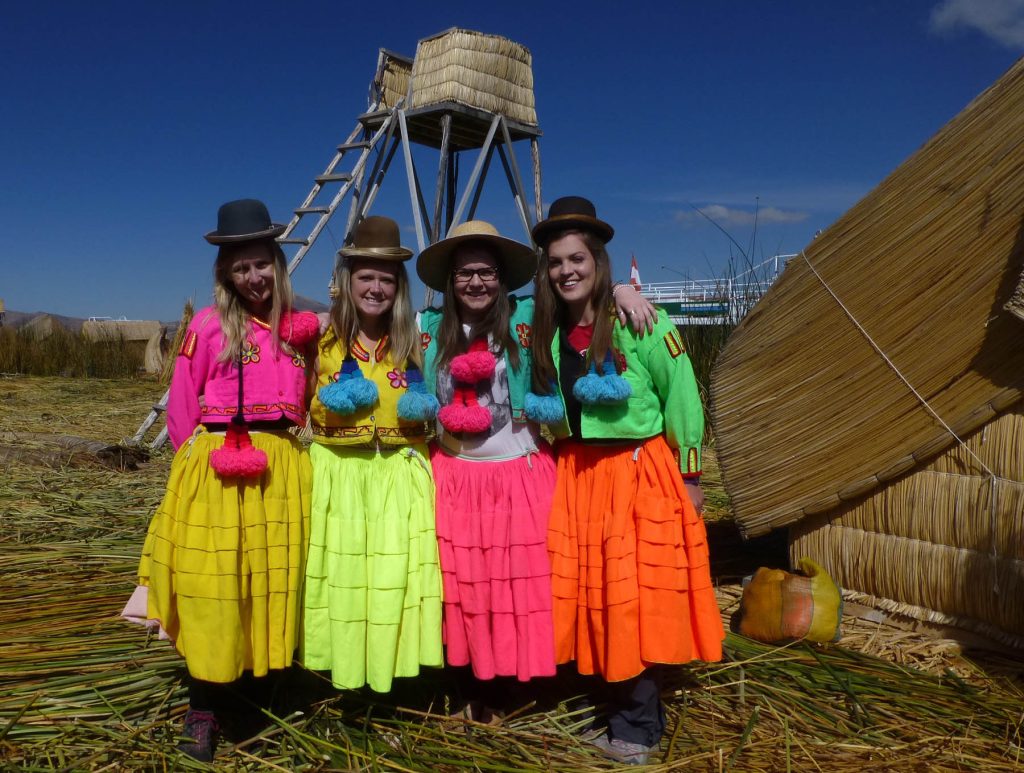
The main attraction here though is the lake. Lake Titicaca is the highest navigable lake in the world, a mythical expanse of deep blue waters, dotted with islands, some of which are still home to communities who have been living in the same way for hundreds of years. Perhaps the most famous islands are the Uros, often referred to as the "floating reed islands". Known as the “willow people”, the Uros have lived on these small man made islands built from compacted Totora reeds for many years.  Nowadays the young people leave the islands to live in Puno and the remaining population uses tourism as a way of providing extra income. A visit to the islands is no longer perhaps the authentic experience it once was, but the islands are still unique and make for an interesting short visit. You may also have time to visit the Yavari steam ship moored nearby, this was built in England then shipped out to Peru, traveling by train and animal to Puno before being rebuilt and launched on the lake.

Sillustani Ruins

The small villages around Puno are mostly small subsistence farming communities, relying heavily on the wool from their herds of llamas and alpacas and agriculture for income. The farmers here use the same tools today as they have since time immemorial - wooden hoes, ploughs and sickles. Crops are sown and reaped by hand and maize, beans, potatoes, onions and rice predominate.

Tucked away in between the many small villages are the ruins of Sillustani. These ruined towers are set on a beautiful peninsula near Lake Umayo, built by a pre-Inca civilisation hundreds of years ago. The Sillustani Indians built several "Chullpas", funeral towers whose construction is far more complex than anything the Inca ever built. Each tower would have contained the remains of noble men, buried together with offerings to secure their comfortable passage into the next life.

Day 65: Copacabana, Puno

Thu 22 Aug 2013

Border information: Exit Peru at Desguadero, enter Bolivia at Copacabana.

We head out on a boat on Lake Titicaca to the floating reed islands of Uros before a 200kms drive takes us across the Bolivian border to the lakeside town of Copacabana where we overnight in a hotel

Activity Approximate Cost

Boat trip to the floating islands on Lake Titicaca

Included in tour

Copacabana

Copacabana, Bolivia, has little in common with the famous Brazilian beach, but it's a picturesque small town on the shores of Lake Titicaca nevertheless. The town centres around it's small whitewashed square which is home to an amazing Moorish style Cathedral. At sunset there is no better place to be than sat at one of the many simple local fish restaurants on the shoreline, watching the sun slip down behind the horizon, before heading into town for a game of table football with the locals, or a visit to one of the many bars that feature live music here - many of whom are often from Argentina.

If you have time, this is a good place to take a boat trip out onto Lake Titicaca. By taking a local boat to Isla del Sol you can spend a day exploring this historic island, famous for being the birthplace of the whole Inca civilisation. The modern day Aymara and Quechua peoples of Bolivia and Peru still accept the legend of the sun being born on this island as their creation story even today. There are a host of ancient ruins to discover, tiny traditional villages and beautiful walking routes. You can wander through the stone ruins, exploring the islands dry slopes covered with sweet smelling incense brush, or hike over the ancient pampas which are still cultivated by the island families.

Day 66: Copacabana

Fri 23 Aug 2013

Today is a non-driving day with an all day visit to Isla del Sol in Lake Titicaca. We return in the evening to Copacabana to overnight in the same hotel

Activity Approximate Cost

Take a boat to Lake Titicaca's Isla del Sol

Included in tour

Stay in the pretty lakeside colonial town of Copacabana

Included in tour

Day 67: La Paz

Sat 24 Aug 2013

A 160kms drive brings us to La Paz, Bolivia’s capital where we have time to explore the city and do optional activities. Overnight good quality colonial hotel in central La Paz

Activity Approximate Cost

Free time to explore the vibrant city of La Paz

Included in tour

La Paz

Bolivia's largest city, La Paz lies huddled in a canyon basin, hiding from the harsh conditions of the surrounding altiplano. It is a fascinating city; the old town and more expensive neightbourhoods at the bottom of the canyon in the centre, surrounded by sprawling shantytowns which extend up the slopes of the bowl, merging into "El Alto" back on the plains, a suburb of La Paz that has grown to be a city in it's own right.

The city skyline is dominated by the snow-capped peaks of Mount Illimani, a staggeringly beautiful back-drop that leaves many visitors stunned when then catch their first glimpse of the city as they descend into the canyon. The old town is full of markets and winding cobbled streets full of people selling anything and everything you could ever think of. Different areas of the city have established markets selling things you'd expect like food and flower, and also things you've probably never seen before - check out the dried llama foetuses on sale in the witches market (Bolivian's believe that burying one of these in the foundations of your home will ensure prosperity and good fortune)

There are plenty of other activities to do in La Paz, from playing a round at the highest golf course in the Americas, skiing at an absurdly high height, or trekking and gravity assisted bike rides through the Yungas. You can also arrange excursuibs ti Mount Chacaltaya and Moon Valley where you can take in the superlative mountain views. Another option is to visit the Tihuanacu Ruins which are a short journey away close to the Peruvian border. The city is also full of impressive churches and museums, including one dedicated to the history of the Coca plant.

Please be aware that you may not be able to do all these activities during the time you will have in La Paz at the start or finish of your trip with Dragoman, so you may want to consider allowing some extra time here.

Day 68: La Paz

Sun 25 Aug 2013

Free time to explore La Paz or do activities such as downhill mountain biking.

Border information: If you are leaving in La Paz, exit Bolivia at La Paz Airport.

Activity Approximate Cost

Downhill "gravity assisted" mountain biking from La Paz to Coroico

USD 105

Guided tour to explore Tiahuanaco Inca Ruins

USD 20

Day 69 to 70: La Paz

Mon 26 Aug to Tue 27 Aug 2013

Border information: If you are starting in La Paz, enter Bolivia at La Paz Airport.

Free time to explore La Paz, one of the highest cities in the world. There's to see and do including the prison tour or the down hill mountain biking. We stay in a good quality colonial hotel in the centre. On the 1st day there will be a group meeting at 18:00 hrs. 

Hotel for the night: Estrella Andina

Estrella Andina

Av Illampu 716

Zona El Rosario

La Paz

+591 2 2456421

Activity Approximate Cost

Free time to explore the vibrant city of La Paz

USD

Downhill "gravity assisted" mountain biking from La Paz to Coroico

USD 105

Guided tour to explore Tiahuanaco Inca Ruins

USD 20

Day 71: Livichuco

Wed 28 Aug 2013

This morning we will head to the small community of Livichuco for an overnight stay in this small Andean village. Accommodation will be in very basic shared accommodation but a chance to see an area of Bolivia few tourists ever will.

Activity Approximate Cost

Overnight stay in the Andean community of Livichuco.

Included in tour

Livichuco

The village of Livichuco lies in a remote location where visitors can stay with a community of people of Aymara origin who delight in sharing their Qaqachaqa culture.

There are several short treks around the community that are possible, with ancient Inca paths and you are also able to share some songs and dancing, discovering the typical instruments of communities in this quiet and charming place.

The community will cook for us and food is typically original, made with local organic products and recipes passed down from generations. Staying here is a great way of giving back to the local community.

Day 72 to 73: Potosi

Thu 29 Aug to Fri 30 Aug 2013

Today we will leave Livichuco after breakfast and head to the colonial mining town of Potosi, the highest town in the world. We stay in a local, friendly hotel. Second day will be free for activities

Activity Approximate Cost

Head down into the tunnels of the Potosi silver mine

USD 20

Visit the famous Casa de la Moneda museum in Potosi.

USD 3

Potosi

Potosi is a colonial mining town, founded in the sixteenth century after the Spanish discovered huge silver deposits in the nearby Cerro Rico mountain. Situated at over 4000m altitude, high up on the Bolivian altiplano the city can claim to be one of the highest in the world.

Whilst in Potosi you can arrange to visit a mine that is still being worked, which offers a challenging and yet fascinating insight into how mining has shaped the history and culture of this town. Entering a dark maze of tunnels you will descend to four levels below, down to the work face where miners use hammers, chisels and dynamite more reminiscent of the 1800's than the 21st century to dig out the remaining metal. Most of the silver here is long gone - it's tin the miners are looking for now.

If you do choose to head down into the mines it's become a custom to take the miners gifts of dynamite, fuses and cocoa leaves in exchange for their stories of how their working conditions have not changed in centuries. Life is harsh for all who work here but the mines have now all been organised into co-operatives and so at least today the men have a say in their own future. You should note that visiting these primitive mines is not for everybody as it is pretty tiring, you will be in enclosed spaces and it can be dangerous.

Back in the city of Potosi itself, the winding streets are worth a wander. The town has a bit of an air of fading grandeur, many of it's beautiful colonial buildings and plazas having seen better days, but it's a fascinating place to explore nevertheless. You can also visit the "Casa de la Moneda", the old mint, which is a great place to learn more about Potosi's history and the story of the mines.

Day 74: Uyuni

Sat 31 Aug 2013

Today we will journey 190kms to Uyuni, gateway to the salt flats of the Salar de Uyuni. We overnight in a friendly hotel serving the highest pizzas in the world!

Uyuni

Arriving in Uyuni feels a bit like you've reached the end of the road, which in many ways is true. This remote small town sits on the edge of the high altiplano, a wilderness that extends for hundreds of kilometres towards the border with Argentina and Chile. So it's hardly surprising that the town can have a bit of a wild-west feel about it.

Affectionately nicknamed 'La Huja Predilecta de Bolivia', which means "Bolivia's favourite daughter",  Uyuni is perhaps best known for its proximity to the Bolivian salt flats known locally as the "Salar de Uyuni". Also in the area and definitely worth a visit is the Cementario de Trenes, a graveyard for the carcasses of old steam engines that have been left here to rust, an unwordly and eerie sight set in the bright altiplano sunshine, set against the background of the distant Salar.

Day 75: Salar De Uyuni

Sun 01 Sep 2013

We venture out on to the salt flats of the Salar de Uyuni in jeeps spending a full day on this stunning location. Great for all those perspective bending photographs. 

Activity Approximate Cost

Take jeeps out onto the dazzling Uyuni Salt Flats

Included in tour

Salar De Uyuni

The Bolivian Salt Flats are a truly unforgettable sight, this is a landscape quite unlike anything you're likely to ever have seen before. The Salar de Uyuni is a dry lake of over 12,000 sq kms made of blinding white interlocking salt crystals. It is Bolivia's largest salt pan and when there's a little water on the flats, it reflects the bright blue sky of the altiplano perfectly, acting like a mirror and making the horizon disappear. The effect is positively eerie. When dry, the Salar becomes a blinding white expanse that stretches for miles and miles, as far as the eye can see.

On the edge of the flats, local workers carve blocks of salt by hand for processing in nearby antiquated factories, covered head to toe in old rags to keep their bodies protected from the harsh conditions. Then when you head out onto the Salar proper, you'll experience this unique "nothingness" of this unusual landscape. Miles and miles of bright white salt. Bizarrely there is a hotel situated out on the flats, where everything is made completely of salt from the walls to the furniture


Day 76: Bolivian Altiplano

Mon 02 Sep 2013

Today we cross the altiplano in a spectacular 320kms drive towards the Chilean border via Laguna Colorado and Laguna Verde. We stay the night in a basic hostel.

Activity Approximate Cost

Exploration of Bolivia’s high Altiplano, Laguna Colorado and Verde

Included in tour

Bolivian Altiplano

The high Bolivian altiplano stretches hundreds of kilometres from the small town of Uyuni out across to the borders with Argentina and Chile. This is real wilderness, there are no roads up here, just a few tracks to follow and you're more likely to see a flamingo or llama than another human being. The only way to cross the altiplano is by travelling in a specialist expedition vehicle like one of our trucks, or local jeeps. The crossing is an adventurous one, with no roads to speak of it's rough travelling and the trip from Uyuni to the border normally takes a couple of days - but it's without a doubt one of the most unforgettable journeys you'll ever make, because the landscape here is out of this world.

Wild and remote, the high altiplano is barren semi desert, but impressive nonetheless. The open plains are dotted by streams and lakes, many of which appear vividly coloured, due to the mineral deposits in the water. In the background the lakes are flanked by the impressive volcanic peaks of the high Bolivian Andes, awe-inspiringly beautiful and undoubtedly some of the most spectacular mountain scenery you'll have ever seen. You'll also pass a few remote villages, Quechua farmers who try their best to eke out a living up here from the rough pasture, grazing a few llamas and alpacas.


The altitude here is considerable and it n be very cold and windy. When travelling here you should be prepared for the cold temperatures and it is worth making sure you have a really good quality sleeping bag.

Day 77 to 78: San Pedro De Atacama

Tue 03 Sep to Wed 04 Sep 2013

We descend from the altiplano and a 150kms drive takes us across the border into Chile. We camp for the night in San Pedro de Atacama in a good campsite and visit the extraordinary Moon Valley, hopeful of a stunning sunset. In the evening there is also the chance to go stargazing (only possible when there is not a full moon).

Border information: Exit Bolivia at Uyuni, enter Chile at San Pedro.

Activity Approximate Cost

Explore the dramatic landscape of the Moon Valley

Included in tour

Observe the night skies at a Chilean observatory

USD 33

San Pedro De Atacama

San Pedro is a small oasis town in the Atacama desert. It's a quirky little place, low-lying adobe buildings line the narrow streets, leading to a sleepy tree-lined plaza that's home to a pretty white-washed church and a fascinating small museum, home to some interesting mummies and various other Indian artifacts.

Pleasant though the town is, the real attraction here is the surrounding landscape. This part of the Atacama has become well-known as a tourist destination because of the spectacular scenery. Perhaps most well known is the unusual desert landscape of "Moon Valley", just a short distance outside San Pedro, where other-worldly rock formations, unsual layer-cake landscapes and huge dunes combine to create some incredible views. The sunsets here can be amazing, the changing light turning the stone and sand a kaleidescope of different colours, so the end of the day is definitely the best time of day to visit.

There are also a whole host of other activities on offer here, from star-gazing to horse-riding and mountain-biking in the surrounding countryside. The town itself is also a pleasant place just to kick-back and relax, with some good bars and restaurants thanks to the developing tourist-trade.

Day 79: Salta

Thu 05 Sep 2013

A full 550kms drive takes us across the border into Argentina and to the fine Spanish colonial city of Salta. We stay in a simple hotel in the centre of the city.

Border information: Exit Chile at San Pedro, enter Argentina at Paso Jama.

Activity Approximate Cost

Get the adrenaline pumping with some white water rafting in Salta

USD 40

Salta

Salta is an attractive town in the north west of Argentina. Nicknamed "Salta la Linda" (or "Salta the fair") the city is well known as a handsome town in a beautiful area. Home to some fantastic colonial architecture, the old town centres around the main plaza which is lined with cafes and restaurants, a great place to while away a couple of hours people-watching over a traditional morning snack of a cafe con medialunas (coffee and small croissant like pastries). It is an elegant and relaxed city, with a nice relaxed atmosphere, a perfect place to wander the streets and explore. To get a better view of the city and surrounding area you can take a cablecar from Parque San Martín up to the Cerro San Bernardo view point, and the many churches and the cathedral are also worth a visit. Salta is also home to some fantastic museums, making it a good place to learn a bit more about Argentinian history and culture.

Day 80: Salta

Fri 06 Sep 2013

Today is a non-driving day with free time to explore Salta staying in the same hotel 

Day 81: Salta

Sat 07 Sep 2013

We have a short morning drive to a campsite just outside Salta where you have the opportunity to go rafting or get involved in other adventure activities.

Day 82: Cafayate

Sun 08 Sep 2013

150kms drive to Cafayate, lying at the centre of Argentina's principal wine producing region where we will visit a vineyard. We stay at a camp site with good facilities.

Activity Approximate Cost

Discover the bodegas and stock up on wine in Cafayate

Cafayate

Cafayate is a small town in north-west Argentina and an important wine-growing area. The surrounding vineyards produce some of the best quality wine in South America, and you should look out for the Torrontes in particular, a distinctive white wine that is typically Argentinian and similar in style to a Sauvignon Blanc or Pinot Grigio. Cafayate itself is small with a sleepy laid-back feel, although it can become busy during Argentinian holiday periods.  Many of the local bodegas offer tastings and tours of their wine cellars and this is easily organised while you are here. Also worth seeking out is the local ice-cream parlour, which together with the more usual flavours, also offers red and white wine ice-cream! If wine is not your thing, the area is also popular for walking and mountain-biking, as the gently undulating terrain makes for pleasant hiking and cycling.

Day 83: Quilmes Ruins

Mon 09 Sep 2013

We cover around 400kms as we head south through beautiful scenery, visiting the Quilmes ruins en route. We will camp tonight

Activity Approximate Cost

Visit the Quilmes ruins

Included in tour

Quilmes Ruins

The ruins of Quilmes are located in Tucaman province in north-west Argentina. The people of Quilmes were an indigenous tribe who inhabited this area as far back as 1000AD, resisting Inca invasions in the 15th and 16th centuries and even holding out against the Spanish for over one hundred years, before finally succombing to a siege led by the colonial powers in 1667. After the siege Spanish took the area over, deporting the few surviving indigenous people to a "reservation" close to Buenos Aires. The 2000 remaining Quilmes Indians were forced to make this 1500 km journey on foot, which meant that many died along the way, never reaching their final destination. At it's height, the city we see the ruins of here would have housed nearly 5000 people, today there are only a handful of Quilmes descendents left in Tucaman. It is interesting to wander among the ruins here today and imagine the city that would once have been.

Day 84 to 86: Rio Ceballos

Tue 10 Sep to Thu 12 Sep 2013

270kms drive via the National Jesuit Museum, to a unique Anglo Argentinean estancia for 3 nights. We will spend time with the Gauchos - learning their skills, go horse riding, hiking and have a traditional asado or Argentinian BBQ.  

Activity Approximate Cost

Spend 3 unique days staying at an Anglo-Argentinian estancia to ride pure-bred horses

Included in tour

Rio Ceballos

To the east of the Andes in the centre of Argentina is the country's second major city, Cordoba. Nearby are the beautiful hills of the Sierra de Cordoba where we will spend three nights at a unique Anglo Argentinean estancia. This has been in the same family for four generations, and is a working cattle ranch, farming the prized Argentinean Aberdeen Angus cattle. Here we will sample the traditional hospitality of the Anglo Argentinean ranching community, with great food straight from the farm. An asado or Argentinian BBQ with local wines will also be enjoyed on one of our nights here. The visit to the estancia is based on horse riding excursions on the beautiful horses here. Daily expeditions will be arranged to ride through the hills to neighbouring estancias. The horses are fabulous and even the most "horse-fearing" feel like Gauchos in a short time. For those who do not like horses, alternative hikes or maybe bike riding trips can be organised. There is also the chance of visiting the local school to see how rural Argentinean children live their lives.

Please note however that there is a weight limit for all riders of 15 stones / 95kg so to ensure the horses are in no way harmed. If you are heavier than this weight then unfortunately you will be unable to ride.

Day 87: Cordoba

Fri 13 Sep 2013

Leaving the Estancia we have a short 70kms drive to the lively university city of Cordoba. We stay in central Cordoba in a hostel

Cordoba

Cordoba is Argentina's second biggest city, located at the heart of the Argentinian Sierras. It's a lively university city and an important economic and commercial centre, which makes for a vibrant busy atmosphere and some excellent nightlife. There is plenty to see and do in the city, from great museums and galleries to beautiful colonial churches and bustling street markets. If shopping's your thing, it's also worth seeking out some of the specialist craft markets that have sprung up thanks to a growing alternative arts scene.


Day 88: Buenos Aires

Sat 14 Sep 2013

An all day drive brings us to the wonderful city of Buenos Aires, where we stay in a centrally located hotel.

Buenos Aires

At the mouth of the River Plate lies Buenos Aires, the cosmopolitan capital of Argentina. It's a buzzing, energetic city that often feels more European than Latin American, so much so that it's often referred to as "the Paris of the South". Not surprising when you consider how much the city has been influenced by immigration, with it's large Italian and Spanish communities.

There is a huge amount to do see and do here and a good place to start is with a city tour, which will help you get your bearings and see all the main sights. You can take in a lot on foot, as the wide streets are very pedestrian friendly and the underground metro system is cheap and easy to navigate. The neighbourhoods of San Telmo, Recoleta and Palermo are certainly all worth exploring, San Telmo for it's olde worlde charm, antique shops and Sunday street market, Palermo for it's unique quirky shops and restaurants and Recoleta is the "Mayfair" of Buenos Aires and home to the La Recoleta cemetry, Eva "Evita" Peron's final resting place. The waterfront area known as La Boca is also worth a look, this slightly down-at-heel neighbourhood is Buenos Aires' most colourful barrio, the ramshackle buildings painted in a rainbow of different bright colours.

In the evenings, you are also spoilt for choice. Buenos Aires has a vibrant nightlife, with a huge number of bars and night clubs to choose from. Restaurants here vary from cheap and cheerful to world class and it's a great place to get stuck into some of Argentina's finest steak and red wine. Of course this is also the home of Tango, and there are many evening Tango shows you can buy tickets for, or if you want a more "real" Tango experience you can check the local papers for details of where tango "milongas" are being held. This is where the locals go to tango, with dances held in school halls, meeting rooms and even warehouses. You might also like to visit the Teatro Colon, one of the world's greatest opera houses - even if you don't go to watch a show, it's usually possible to take a guided tour of the building during the day.

Everywhere you go you'll be surrounded by some fantastic architecture. The Plaza de Mayo is perhaps the most historically interesting - as this is the ste of the Cabillo (original town hall), Casa Rosada (the Presidential Palace) and the cathedral where the body of General San Martin lies. Finally, if you get the chance, try and get hold of tickets for an Argentinean football match while you're here, even if you're not usually a sports fan, the electric atmosphere of a local match is definitely something you'll never forget - tickets are usually available from local tourist agencies - and if you've still got time to spare, why not take the hydrofoil across the water to Uruguay for a day.

Day 89: Buenos Aires

Sun 15 Sep 2013

The trip finishes this morning. Night in hotel is not included tonight. If you wish to stay longer in beautiful Buenos Aires (and we highly suggest so), please contact the Dragoman Sales Team which can arrange extra post accomodation nights for you.

Border information: If you are leaving in Buenos Aires, exit Argentina at Buenos Aires Airport. 

Hotel for the night: Hotel Splendid

Hotel Splendid

Avenida Rivadavia 950

Buenos Aires

Argentina

+54 11 4345 2800

Day 90 to 91: Buenos Aires

Mon 16 Sep to Tue 17 Sep 2013

Border information: If you are starting in Buenos Aires, enter Argentina at Buenos Aires Airport.

Today there will be a trip meeting at 18:00 hrs. There are no activities planned however there are various optional activities for you to enjoy over the next 2 days whilst in this splendid city. We stay in a good quality hotel in central Buenos Aires. 

Hotel for the night: Hotel Splendid

Day 92: Concordia

Wed 18 Sep 2013

Today we drive roughly 415 kms drive towards Concordia where we bush camp for the night

Concordia

Concordia lies on the western shore of the Uruguayan River and is the national capital of citrus production. The river dissects Argentina from Uruguay and many people take rail and road journeys to and from Concordia to Salto in Uruguay. Concordia is in the north eastern province of Entre Rios.

Day 93: San Ignacio De Mini

Thu 19 Sep 2013

A 560 kms drive takes us to the Jesuit Mission of San Ignacio de Mini. We spend the night at a camp site with facilities

San Ignacio De Mini

Misiones province is so called because of the many Jesuit missionaries who arrived here in the 17th century, setting up "Reductions", or missions, throughout this area of Argentina, as well as parts of neighbouring Paraguay and Brazil. The small town of San Ignacio de Mini was once the centre of one such mission, and it's ruins  can still be seen today. The buildings are very well preserved and include a church, cemetery and monastery and provide an interesting insight to the history of this area.
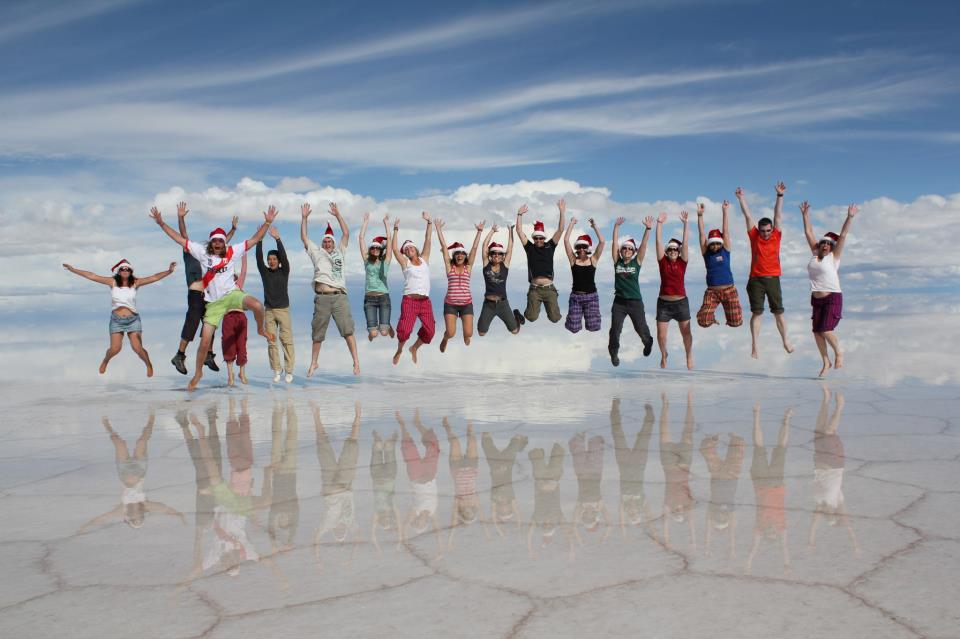
 

Day 94: Puerto Iguazu

Fri 20 Sep 2013

This morning we drive 230 kms drive to Puerto Iguassu. The afternoon is free for optional activities near the waterfalls. We spend the night at a camp site with good facilities

Puerto Iguazu

Puerto Iguazu is in Argentina, but its right on the border with neighbouring Brazil and Paraguay. This otherwise small, sleepy town has one main attraction, the famous Iguazu Waterfalls. The falls are best seen from both the Argentinian and Brazilian sides, as the perspective you get it is totally different from different sides of the border. On the Argentinian side you can easily spend a whole day exploring, as there are plenty of footpaths to follow in and around the park that protects the area around the waterfalls. From this side of the falls you can also take a jet-boat trip along the river under the falls, experiencing the full, life-afirming force of all that fantastic cascading water.

Day 95: Foz Do Iguacu

Sat 21 Sep 2013

In the morning we have a visit to the famous Iguazu Falls, from the Argentinean side. In the afternoon we have a short drive across the border to see the falls from the Brazilian side. We stay at a camp site in Foz do Iguazu with excellent facilities and a pool.

Border information: Exit Argentina at Puerto Iguassu, enter Brazil at Foz do Iguacu.

Foz Do Iguacu

Foz do Iguacu is named after the impressive waterfalls located close to the town forming the border with nearby Argentina and Paraguay. Foz is on the Brazilian side and is much larger than nearby Puerto Iguazu. Visiting the Iguacu falls is a must from here, even though you can visit the Argentinian side as well. The Brazilian park features a number of cleverly constructed walkways that allow you to get right out over the water up close to the falls themselves - and you will often be able to see fantastic rainbows forming as the sun catches the spray. If you want the ultimate waterfall experience, you can also organise helicopter flights here, where you'll be taken out right over the horseshoe of the falls, giving you a spectacular view of this natural wonder from a totally different perspective.

As well as the magnificent waterfalls, there's also a great bird park in Foz, where you can see many of Brazil's native species, including Toucans and Macaws. You can also visit the incredible Itaipu Dam, a vast concrete edifice that spans the Rio Parana and has been described as one of the 7 wonders of the modern world.

Day 96: Foz Do Iguacu

Sun 22 Sep 2013

Today is a non-driving day. We have free time to enjoy the Brazilian Iguazu Falls, with a range of activities available. We stay for a second night at the same campsite

Day 97: Bonito

Mon 23 Sep 2013

Today is an all day drive day as we travel 800 kms drive to Bonito where we camp at a good site with a pool

Bonito

The area around the small town of Bonito really is unique. It’s main attractions are its crystal clear rivers, springs and caves, not to mention the abundant wildlif, which includes monkeys, alligators, anaconda, over 30 varieties of fish and tremendous birdlife. Unsurprisingly, the town is often described as the "eco-tourism capital of Brazil".

There are endless activities on offer, from spectacular walks through the surrounding hills and forest, to caving, horse-riding, abseiling, and snorkeling. Many of the best attractions are on private land and the area is being very carefully managed in order as to protect the wildlife and habitats found here.

Day 98 to 99: Bonito

Tue 24 Sep to Wed 25 Sep 2013

These are non-driving days allowing you free time to enjoy the range of activities available in Bonito such as snorkeling, rafting or a jungle trek.. We spend our second and third nights in the same camp site.

Day 100 to 102: Southern Pantanal

Thu 26 Sep to Sat 28 Sep 2013

We spend 3 days in Brazil's amazing Southern Pantanal. From a ranch base we explore the surrounding area on horseback, from boats and canoes, from farm trucks and on foot before on the third day we drive in the afternoon roughly 250 kms to a bush camp.

Southern Pantanal

The Pantanal is a vast wetland that covers much of inland central and southern Brazil, teeming with birds and wildlife from toucan to caiman, capybara, ocelot and even Jaguar. Originally this was a predominantly agricultural area, dotted with cattle ranches known locally as "Fazenda". Today the cattle ranchers live side by side with the anaconda and Jaguar, having realised the importance of their home as a unique habitat for wildlife, with many of the Fazendas opening up for eco-tourism and offering safaris and tours of the area.

The wildlife here is staggering and there is probably no-where else in South America where you'd be able to see as many indigenous species. Over 250 different birds have been recorded here, including parakeets, macaws, kingfishers, ibis, storks, kites and hawks, hummingbirds and more - and there are also prolific numbers of jacare, anacondas, iguanas, two species of anteaters, ocelot, jaguars, cougars, giant river otters and thousands of pamba and march deer. One of the easier animals to spot is the capybara, a giant guinea pig type rodent that grows up to 60 kg. and lives in large herds in the swamps.

Day 103: Brotas

Sun 29 Sep 2013

Today is a full day 650 kms drive to the remote town of Brotas in southeast Brazil. We stay at a camp site with good facilities

Brotas

Located in southeast Brazil, in the state of Sao Paulo, the remoteness of Brotas has meant that the forests surrounding this isolated town are teeming with species crucial to the maintenance of global biodiversity. The perfect location in which to experience untouched natural environments, Brotas has subsequently become an important destination in Brazilian eco-tourism. Alongside those visiting to enjoy the remarkable fauna that inhabit this area, Brotas is gradually acquiring a reputation for the quality of the adventure activities that are on offer. From horse riding and canyoning, to rafting and kayaking, Brotas is synonymous with the spirit of adventure that characterises any Dragoman Overland trip.

Day 104: Brotas

Mon 30 Sep 2013

This is a non driving day free for adventure activities such as white water rafting. We stay at the same camp site 

Day 105 to 107: Parati

Tue 01 Oct to Thu 03 Oct 2013

We drive 450 kms to Parati on the Emerald Coast where we have 3 nights at a beachside hostel. Free time to explore, including boat trip out to a small island to go snorkelling or diving

Parati

The Emerald Coast, or the "Costa Verde" as it is known in Brazil, stretches south from the city of Rio de Janeiro, a thin strip of land sandwhiched between verdant green mountains and the sparkling waters of the Atlantic. Picture-book islands, deserted beaches and picturesque coves with excellent swimming and diving make it the perfect place to relax and enjoy a couple of days of R & R. Dotted along the coastline itself are lots of small towns and villages, not to mention the hundreds of tiny islands, best explored on a lazy boat-trip.

The old Portuguese colonial town of Parati is perhaps the most attractive spot on the coast. Low white-washed buildings with colourful doors and shutters crowd around the cobbled streets and plaza, full of interesting shops, bars and restaurants. Parati really comes alive at night, when locals and tourists alike sit outside the many street cafes and congregate in the main square. The town also has a couple of beaches and there are plenty of others in the surrounding area - and this is also a good place for diving and snorkelling trips, which can be arranged locally.


Day 108: Rio De Janeiro

Fri 04 Oct 2013

240 kms drive into Rio, one of the most beautifully situated cities in the world. We arrive late afternoon where the trip ends. No accommodation is provided this evening.

Border information: If you are leaving in Rio, exit Brazil at Rio Airport.

Rio De Janeiro

Rio de Janeiro has to be one of the most beautifully situated cities in the world. Sugar Loaf Mountain rises up out of Guanabara Bay, the sandy beaches of Ipanema and Copacabana cut beautiful curves in the shoreline, all under the watchful gaze of Christ the Redeemer.

This is a city with something for everyone; beaches, history, shopping, culture, fantastic food and amazing nightlife. For amazing views of this spectacular city,  take the cable car up to the top of Sugar Loaf, or "Pao de Azucar" as the Brazilians call it, ride the train to Corcovado or jump on the tram to the historic hillside neighbourhood of Santa Teresa. If you're interested in learning more about Rio and Brazil, the Historical, Indian and National Museums are all well worth a visit, and even just wandering around the older parts of the city you'll be able to see some fantastic architecture. Kick back and relax on the beach, enjoy a beer or caipirinha at one of the many pavement cafes and then when evening comes you can party the night away - Rio has some unbelievable bars and clubs, Lapa is always a fun night out and Ipanema is always buzzing too. If you need a bit of quiet time to recover, take a walk in the Botanical gardens, or escape town for the day on an excursion to the lust forests of nearby Tijuca National Park.

Of course Rio is particularly famous for it's huge annual party - Carnival. The celebration of Mardi Gras 6 weeks before Easter is a great Brazilian tradition - the whole city goes wild for a full 7 days in a whirlwind of music and colour. Samba schools compete with ever more awe-inspiring dance displays and costumes putting on marathon perfomances in the Sambadrome, street parties are held all over the city and friends and families take to the beach.

Day 109: Rio De Janeiro

Sat 05 Oct 2013

The first day of Rio Carnival is free time, as everyone will be arriving at various times throughout the day to start the package. Hotel check in is from midday and Dragoman crew will be on hand all day to give you any assistance. There will be a joining meeting in the afternoon.

If you are on an overland trip coming from Parati or Teresopolis, today will be a short drive day, bringing you to the biggest party on the planet!

Hotel for the night: Hotel Paysandu

Day 110: Rio De Janeiro

Sun 06 Oct 2013

Today there is an optional visit up Corcovado mountain on a guided trip with all transport included to the Christ the Redeemer statue with great view of Rio.

This afternoon is free for you to do as you wish.

Day 111: Rio De Janeiro

Mon 07 Oct 2013

In the morning there is an optional excursion to the majestic Sugar Loaf mountain from where there are stunning views over Rio and its surrounding beaches.

In the evening the main event of carnival occurs with a trip to the Sambadrome for the samba parade. The top samba schools parade their outrageous floats and costumes and we'll party well into the early hours.

Day 112: Rio De Janeiro

Tue 08 Oct 2013

Today is a free day after the late night last night.

You can spend the day relaxing at the beach or take part in optional activities such as visiting the Morrinho community favela project, going to the sambadrome for a 2nd night or actually taking part in the parade.

Day 113: Rio De Janeiro

Wed 09 Oct 2013

Today you have a full free day to explore; perhaps find a 'block party' to continue the festivities.

In the evening there's the option to go to the gay ball.

Day 114: Rio De Janeiro

Thu 10 Oct 2013

There's free time in the morning but if you wish to explore further then join our local guide on an optional Colonial Tour of the city.

Day 115: Rio De Janeiro

Fri 11 Oct 2013

The final day of the Carnival package. Depart at any time or spend the day exploring further or relaxing.

Visa Information:

Important Notes

The routes, activities and places visited described in these trip notes are intentions and are meant as a rough guide only.

We intend following the planned route but exact night stops cannot be guaranteed. It sometimes happens that we decide to make a change to our basic planned itinerary. This may be for a variety of reasons - climatic, road or bureaucratic conditions may demand it. By their very nature overland itineraries need to be flexible and the regions that we are travelling through are often unpredictable. We run adventure journeys in off the beaten track areas, often in areas without western infrastructure. You should expect that some these areas do not adhere to western safety standards.

Rio Carnival detailed notes


Rio at Carnival

Rio de Janeiro is one of the most beautifully situated cities in the world. Nestling beneath the Sugar Loaf Mountain, "Pao de Azucar", that rises out of Guanabara Bay, and flanked by the sandy beaches of Ipanema and Copacabana. The Carnival at Rio is one of the best spectacles in the world and lasts for about 5 days on the run up to Shrove Tuesday. The whole city comes alive with music, singing and dancing and the streets are never empty. Be prepared for sleepless days and nights, as the partying is non-stop, be it in the streets, or at one of the many balls, or in the famous Sambadrome watching the parading carnival groups with their extravagant costumes and floats. The various samba 'schools' all compete for a prize and the honour of being the champion carnival group of the year. Around the time of the Carnival, our trips are timed to fit in with the event, so you can be sure of enjoying Carnival with a group of like-minded people and there are likely to be over 150 fellow travellers enjoying the carnival experience. We will however aim to keep you in smaller groups of 20 for planned activities.

There is just so much to see and do in Rio and at Carnival it is even busier than usual, but there is still something for everyone. As part of the Carnival package we provide you with a Sambadrome ticket to sector 13 plus your accommodation however we offer the opportunity to do a lot more. There are many other activities to do whilst in Rio at Carnival time. Dragoman has arranged a number of optional activities that you can book in advance. Prices for these optional activities and further details will be available on the website from June 1st 2013. We recommend pre booking, as this way we can make all the necessary arrangements ready for your visit - other options may be available and could be cheaper but availability cannot be guaranteed. For other things to do, try some quiet time in stunning surroundings at the Botanical gardens, shop at the "hippy" markets for jewellery and paintings and of course there are the beaches to lie on and all the local street parades to dance at. Just make sure you get plenty of sleep before you arrive in Rio for Carnival.

Day 1: Friday

The first day is free time, as everyone will be arriving at various times throughout the day to start the package. Hotel check in is from midday and Dragoman crew will be on hand all day to give you any assistance. There will be a joining meeting in the afternoon - in past years there has been one at 16.00 and 18.00, please check the Carnival Noticeboard in the Hotel Reception for further details on arrival.

Day 2: Saturday

Today is free for you to do as you wish however in the morning you may wish to join us on a visit to the iconic Corcovado mountain.

After taking a coach to the base of Corcovado with our local guide, we climb aboard the train carriages to begin our journey up to the Christ Statue. The train heads up through the Atlantic rainforest, which used to clothe all of the hillsides around the coastline, it is now protected to try and prevent further destruction for building and housing and provide corridors for birds and animals to pass through. It is a lovely journey in the cool shadow of the trees and there are some great views if the weather is clear. You may also be serenaded by musicians from one of the samba schools who will be getting us in the carnival mood and raising funds for their samba school. At the train station we will then disembark and climb the last steps or escalators to the base of the statue. You are free to wander around as you wish or you may like to listen to our guide who can tell you more about the history of the statue and the area.

There are fantastic views across Rio in all directions but the clouds can decide to hide all of this from us at a moments notice, so take your photos as soon as you have the opportunity. There is also a restaurant and shop for drinks, snacks and gifts as well as toilet facilities. At a prearranged time we will all meet to return back down to the train station, catch our train back through the forests and to our waiting coach.

Cost (approximate) – £60

In the afternoon you are free to relax and explore Rio however you may alternatively wish to join us on an optional trip to watch a football game.

Day 3: Sunday

This morning is free for you to do as you wish however in the afternoon you may wish to join us on a visit to a favela and to the Morrinho community project we support.

Morrinho is the name used by the youth of the Pereira da Silva favela for their scale model of a favela made basically with bricks. The "Morrinho" began in 1998, when Nelcirlan (14 years old at that time) starting building the Morrinho, together with his brother Maycon. Both were impressed with the view of favela's, high on the hillside, and decided literally to bring it closer. The "toy" became a construction and attracted other boys like Rodrigo, Naldão, Júnior, Paulo Vítor, Luciano and Raniere, and became a part of the community. Today, the "Morrinho model", occupies an area of 300 square metres in the community "Pereira da Silva", with wealth of details such as: funk clubs, police, drugs sales points, alleys, staircases, small bars etc. The colours are strong and vibrant, the constructions are unusual and unique, and the vegetation is integrated with the "bonsais" wisdom. Miniature vehicles and motorcycles fill out the streets. In the interiors of the residences you can see beds, dressing tables and closets. All the details show the creative imagination of the guys that constructed the Morrinho. They drew streets, built support walls to contain hillsides, distributed light posts etc. Their plastic universe reveals the aesthetic fullness of the favela, often portrayed by international artists, photographers and film directors. Trip includes transport and a donation to charity

Cost (approximate) - £50

Sambadrome

The Sambadrome was designed by Brazil's world-famous architect, the modernist Oscar Niemeyer. It was purpose-built for the Samba Parade and inaugurated in 1984. Being made of concrete, it seems a bit dated for the post-modern eyes of today and feels derelict if not ugly, surrounded only by favelas, serving only little cultural events, during the year. However it comes to life and is totally magnificent and overpowering being lit up with special effects on. Samba Parade nights, filled with thousands of cheering spectators and surrounded by other thousands of people who could not get in. It can seat around 70,000 people, which is already far too few for the ever growing Rio Carnival Parade. However, since it is under protection, it cannot be rebuilt or even extended. The Samba schools have prepared all year for their hour of glory on carnival night. The top 12 Samba schools parade on Sunday and Monday, six each night. The two nights are similar in terms of set-up, the only difference being the schools parading. These are the most glamorous parades, the ones which need to be seen. The best school is chosen by a hand-picked set of judges on the basis of many components including percussion, the theme song, harmony between percussion, song and dance, choreography, costume, storyline, floats and decorations. The championship is hotly contested, with the winner becoming the pride of both Rio and Brazil. Samba is a glitzy, lavish, vegas-style affair with beautiful, topless mulatas who make samba look easy in their feathered head-dresses, long flowing capes sparkling with sequins and rhinestone studded G-strings. The floats are also extremely lavish and some of them are technically quite amazing. The Brazilians harness sweat, noise and confusion and turn it into art, with the parades beginning in moderate mayhem then working themselves up to a higher plane of frenzy. The samba is driven by the drummers with between 200 and 400 per school. This samba is the loudest music you are ever likely to hear in your life. The parades head down the “run way” of the Sambadrome flanked by the tiers of spectators, singing, dancing and applauding their favourite schools. The parade continues on through the night and into the morning. Some of the best schools are always kept until last to make sure that the party continues until the very end.

Sambadrome visit

On Sunday night we will be situated in sector 13 , this allows an overview of the whole event and a good chance to party with the locals. Sector 13 is at the end of the sambadrome runway and is slightly set back however has the best atmosphere of all the stands. It is full of local Cariocas who really support their samba school with lots of singing and dancing. It is a wonderful local experience but can get very busy, reminiscent of a noisy football crowd. There are no fixed seats but concrete bleachers and people stand up as the samba schools pass by. We will travel to the Sambadrome in the early evening by metro and on foot with the Dragoman crew. It is up to you how long you stay but every year there are a few who make it through to the last parades and get back to the hotel for breakfast at 7am!

Click here to view a map of the Sambadrome

Optional upgrade to sector 11

Sitting in sector 13 is not for everyone and for those of you who want a view which is less set back we offer you the chance to upgrade to sector 11. This sector neighbours sector 13 but is much closer to the action. The seating however is identical, being on concrete bleachers and can be equally busy but not quite so boisterous.

Cost (approximate) - £190

Day 4: Monday

This morning you will almost certainly be having a lie in and then in the afternoon we have an optional trip to Sugar loaf mountain.

Sugar loaf mountain - Pao de Azucar

We will take an afternoon half day tour to visit the iconic Sugar Loaf Mountain or Pao De Azucar as it is locally known, entrances are included. We leave from the hotel on our coach, accompanied by our local guide. The mountain gets its name from its shape, as the huge rounded incline looks like traditional cones of sugar. These sugar cones were made from raw sugar to make transportation easier. On arrival at the base of Sugar loaf mountain, we will board the cable car and head up to the mid way point and then up to the top station, the ride in itself is a fantastic experience skimming above the forested mountain peak with the sea and city spreading out below. At both stations there are incredible views of the city below and across to Corcovado. There will be plenty of time to wander around and take in the spectacular views, learn more about the construction of the cable car and enjoy a drink or snack at one of the restaurants. Just make sure you have plenty of space on your memory card for all your photos. Once we have taken our fill of the panoramic views we return to the bottom by cable car and back to the hotel on our waiting coach.

Cost (approximate) – £35

Optional return to the Sambadrome - sector 13 or sector 11

During Rio Carnival the top 12 Samba schools parade in the Sambadrome with 6 parading on the Sunday night and then 6 on the Monday night. This second visit will give you the opportunity to see all 12 of the schools so you can choose your own winner! You will be exhausted after a second visit but it’s a fantastic experience!

Cost (approximate) – £65 (Sector 13); £225 (Sector 11)

Optional join the parade

Watching the parade is one thing but actually taking part in the parade, is a real thrill and an unparalleled experience. Yes it will be hot and sweaty and your feet will ache after an hour or more parading but it will make a talking point for years to come. Not many people can say they have actually taken part in a Sambadrome Parade. You will be a part of one of the ground wings or alas, parading behind the massive floats that make up the parade. Each school has between 65 and 80 minutes to parade and each ala/ wing passes through the Sambadrome in about 30-40 minutes, it is exhausting but unforgettable! The alas provide a massive display of colour and movement, each school has about 25 alas – each one tells a part of the overall story/ theme of the Samba School. The alas get judged for their stamina throughout their parade, the singing of the whole parade, being able to Samba is not necessary – there is a kind of jumping, bouncing way that people parade to overall create the whole feeling of strength and happiness. You will be 1 of the approx 4,000 paraders in a school, each and every person must put their utmost energy into their performance for the School. This is the most important event of the year for Cariocas (the people from Rio) and you will be playing a part on the biggest stage in the world! It is an amazing once in a lifetime experience you will never forget.

Cost includes your costume – delivered to the hotel ready for the parade and the services of a guide to accompany you to the start point. Transport and entry into the Sambadrome is not included. You will need to meet your ala and school about 2 hours before the parade time (the first school will meet at 19.00 and the last at 01.00 approx) the parade lasts about 1 hour.

Cost (approximate) -  £450. Info needed at time of booking – shoe and clothing size, please see the link for the appropriate sizing: www.rio-carnival.net/sizes.php

For shoe sizes it is advisable to order one size larger than usual as the shoes are often very tight.

Day 5: Tuesday

Today is a free day and an opportunity to have a walk along the beaches, maybe a swim or maybe just a long lie in! The famous sweep of Copacabana Beach is probably the most talked about length of sand on the planet, it is a fantastic location with Sugarloaf mountain at one end whilst far in the distance you see further peaks covered in Atlantic rainforest. There are plenty of small cafes serving drinks and snacks along the beachside pavement, when you are ready for a break from the sand. In this stunning location even the pavements are beautiful, with white and black tiles forming waves and patterns.

Optional ticket for the gay ball

The Balls at Carnival are part of the whole experience and this has been the most popular Ball from past Dragoman visits. If you are going to visit just one ball then this is the one we recommend! Put aside any inhibitions you may have, get your costume sorted – plenty of glitter absolutely necessary - and get dancing with all the other partygoers. It is a fantastic experience and people are generally very friendly with loads of photo opportunities and some incredible sights! Music is a variety of Samba and more modern music, something for everyone and if dancing is really not your thing there is plenty of people watching to do. The Ball can startle some people and please be aware that in previous years you have had to parade down a red carpet when you enter usually whilst being filmed live on Brazilian TV but it really is a memorable event and one which you will talk about long after carnival has been and gone. Make sure you save a bit of energy for this climax to carnival. The ball goes from midnight on Tuesday until the early hours of Wednesday morning. You may be able to find cheaper tickets available and you could get them at the door of the ball but this cannot be guaranteed. In 2011 tickets sold out and were exchanging hands for twice the face value in the days leading up to the carnival.

Cost (approximate) -  £55. Transport is not included but it is easy to share a taxi there and back with fellow revellers.

Day 6: Wednesday

Today you are free until the late afternoon but if you wish to explore further then join our local guide on our Colonial Tour of the city.

Optional colonial tour:

This tour will give you an insight into another side of Rio from the one we see along the beaches and at the main tourist sites. Accompanied by our local guide we will travel in both private bus and on foot through the Cultural Corridor of Rio de Janeiro, visiting colonial buildings, centenary churches and Cultural Centres and discovering the heritage of Rio de Janeiro earlier days as a Portuguese colony. We will visit the area of Santa Teresa, the colourful Escadaria Selaron before heading to downtown Rio to view its stunning churches, cobbled street and wonderful architecture, both modern and historical. Cost includes entrances, transport by private bus, guide services.

Cost (approximate) - £30

Rio sunset boat cruise

As the afternoon begins to draw to a close we will walk down to the marina and board one of the beautiful schooners moored in the Gloria Harbour. We spend about 3 hours cruising around Guanabara Bay, viewing the city from yet another angle giving us a chance to see the landmarks of Corcovado and Sugar Loaf Mountain once again, along with Oscar Niemeyer's spaceship style building that houses the Contemporary Art Museum. If the weather is kind to us there may be a chance for a swim and also great sunset views. This is a great way to end carnival in Rio a final chance to say goodbye to old travelling companions, meet new friends and enjoy a drink or two.

Day 7 Final day

This marks the end of our Rio carnival package and the start of our trips leaving Rio to explore more of Brazil and South America.

Additional Carnival notes

Optional activies - all the optional activities listed above need to be booked prior to arrival at carnival and by 1st February at the latest. This can be done by contacting Dragoman.

Accommodation – This is on a shared basis (twin/triple and quadshare) with breakfast included daily but no other meals. All rooms are en-suite with air-conditioning, TV, fridge and safe.  Due to the extraordinary demand on overland trips that include this Rio Carnival package, all bookings post 11th Septmeber 2012 will be accommodated in triple or quadruple rooms at the Argentina hotel.  Bookings made prior to this date will be at the Paysandu Hotel.

Money changing - Banks will be closed over most of Carnival but some money changers stay open although exchange rates are not always that good. Cash will give you the best exchange rates - usually USD, GBP, Euro are easily exchanged. Travellers Cheques whilst the safest option will give you a poorer exchange rate - American Express Office is open through carnival for exchange. Cash machines - are nearby to the hotel but can run out of money, so plan in advance and be very aware of theft and fraud.

Crew - although there are likely to be over 100 people attending carnival you will be split into groups of no more than 25 for the included activities, each group being allocated a Dragoman leader.

There is no kitty. Accommodation is on a B&B basis, in shared rooms and is covered by the tour cost.

You may wish to consider bringing the following items with you to Rio Carnival:

Binoculars to help see the detail of the parades at the Sambadrome

A disposable raincoat (these can be bought en route to Rio or in Rio itself)

The Classic and Community Inca Trails – more information

Trail Permits

2013 - 2014 Departures - Which Inca Trail When you book this trip, you will have a choice of either the Community Inca Trail or the Classic Inca Trail. The costs for each are included in the kitty, but you must tell us when you book, if you want to book the Classic Inca Trail. If you do not tell us this you will automatically be booked onto the Community Inca Trail. In order to secure Inca Trail permits, it is vital that you provide the correct and most up to date passport information at the time of booking (DOB, passport number, expiry date and name spelling exactly as it appears in the passport that you will be travel with) Any inconsistency between the information provided and the passport you travel with may result in you not being granted access to the Inca Trail.

There is also a non trekking option. If you do not want to trek at all but want to take part in the Sacred Valley Tour and guided tour of Machu Picchu, this can be organised. You will receive a refund from kitty for the unused part of the excursion. However if this is your preferred option, in order to obtain a refund you MUST inform the Dragoman Overland office at the time of booking.

The Inca Trail usually refers to the ancient pathway used by the Incas leading to Machu Picchu, but in fact there are a number of Inca Trails running through the Urubamba Valley. On all Dragoman trips that travel via Cusco we include the choice to either trek the Classic Inca Trail or to trek our Community Inca Trek, which is exclusive to Dragoman (and by the way, it's unique to Dragoman and not the Lares trail that other operators use!)

The trek is included in your trip kitty price, so if you prefer not to trek at all you must advise Dragoman at time of booking so that we can arrange a non-trekking package for you. Full details of all three options are below.

Option 1: The Community Inca Trek

This unique and pioneering trekking route is automatically included in all of our trips that visit this area of Peru. The trek travels through spectacular scenery, passing through Inca ruins and staying in remote villages. You'll be hiking unspoiled trails used only by local villagers and Dragoman passengers, avoiding the crowds of the Classic route. You will be camping as guests of the local communities we pass through and may have the opportunity to help out with some hands-on projects, for example at the local schools. This is the real Andes, trekking pristine trails with spectacular mountain scenery at every turn. After a comfortable overnight stay in Ollantaytambo we head to the ancient citadel Machu Picchu. Although we do not enter the site through the Sun Gate as on the Classic Inca Trail there is plenty of time to hike to either the Sun Gate or even Huayna Picchu, which towers above Machu Picchu.

This Option is automatically included as part of your trip unless you advise us otherwise. So if you want to take the Community Inca Trek no further action is required. If you would prefer to trek the classic Inca Trail, or choose not to trek at all, you must contact us.

Option 2: Classic Inca Trail

If you want to do this option, you MUST

1. Inform Dragoman at the time of booking your trip

Dragoman will then apply for your permit but please note that these can never be guaranteed and if unavailable we will automatically book you onto the Community Inca Trail.

If you do inform us of any other request you WILL AUTOMATICALLY be booked onto the Community Inca Trail.

This original Kings route still remains popular and it is a 4 day trek, which passes through cloud forest and dramatic mountain scenery. It ends at sunrise on the last day as you trek to the Sun Gate for your first views of magnificent Machu Picchu. If you would prefer to trek the Classic Inca Trail then you must advise Dragoman at the time of booking.

Option 3: Non Trekking Package

This package has been designed for people who do not want to trek the Inca Trail. It combines the 2 most popular tours in and around Cusco, the tour of the fortress city of Ollantaytambo and the magnificent ruins at Machu Picchu.

Please note; You will leave Cusco with your fellow passengers and your tour leader who will be trekking the Community or Classic Inca Trail. You will visit the fortress of Sacsayhuaman, followed by a beautiful scenic drive over mountains and through valleys, via the ancient city of Pisac and on to the Sacred Valley of the Incas. Continuing along the valley, you will pass through the village of Urubamba where you will have lunch with your fellow passengers before heading back to Cusco. In Cusco you will stay at our nice, centrally located hotel for a further 3 nights and this will be booked for you by your tour leader. There are no activities booked or organised for you during this time. You will re join some of your fellow travellers and your tour leader on Day 4 in Ollantaytambo. Please also note that there is a possibility that you may be the only person booked on to the non trekking package, however this package will offer you plenty of time in Cusco to explore the town and surrounding sites (in total 4 or 5 nights depending on your trip).

DAY 1

You will have 3 nights in Cusco. This first day you will be joining your fellow passengers and your Tour Leader on their way to the start point of their treks. . You will visit the fortress of Sacsayhuaman, followed by a beautiful scenic drive over mountains and through valleys, via the ancient city of Pisac and on to the Sacred Valley of the Incas. Continuing along the valley, you will pass through the village of Urubamba where you will have lunch with your fellow passengers before heading back to Cusco

DAY 2 and 3:

The hotel for this 2 nights is the same and you will have free time with no activities organised.

You can go out and enjoy the many beautiful restaurants and shops that this wonderful city has to offer or just relax in our nice centrally located hotel. Your tour leader will book the hotel for you. 

DAY 4:


After being picked up from your hotel at around 09:30 am you will be driven to the fortress city of Ollantaytambo. In the afternoon, you will be able to relax at your Hotel, the Tunupa Lodge. It is here that you will rejoin the Community Inca Trekkers and your tour leader.

DAY 5:

After an early breakfast, a 10 minute walk to the train station, your stunning 2 hour train ride to Aguas Calientes begins. The journey takes you through several different micro-climates, past Inca terraces, lookout posts, ancient river bank reinforcements and small towns. You will get a glimpse of different temples and the beautiful Mount Veronica (18,800 ft. / 5750 m). Passing through 8 tunnels, the train journey finally comes to an end in the busy pueblo, Aguas Calientes.  From here you take a local bus.

The bus winds up the mountainside for about 30 minutes until you arrive at the entrance to Machu Picchu (7,800 ft / 2400 m), the awe inspiring ‘Lost City of the Incas’. The guide will take you around the immense, mystical ruins for about 2 to 2 ½ hours, explaining the rich history of the ancient site. Afterwards, you will have time to explore on your own before returning down the mountain to Aguas Calientes.

In the afternoon you will catch a train from Aguas Calientes to Poroy. Once in Poroy a private transfer takes you back to your hotel in Cusco.

You will spend the night in our comfortable hotel in the heart of the city.

Non Trekking Package Includes:

Transport to Ollantaytambo via the Sacred Valley.

Return train tickets on the Backpacker train from Ollantaytambo-Aguas Calientes-Poroy

3 Night stay at our hotel in Cusco (Nights 1, 2, & 3)

1 Night stay at a hostel in Ollantaytambo (Night 4)

Round trip bus tickets from Aguas Calientes-Machu Picchu-Aguas Calientes

Guided tour of Sacsayhuaman, Ollantaytambo & Machu Picchu with a professional, bilingual tour guide

Entrance fee to Machu Picchu

Transfer Poroy train station – Hotel.

If you prefer not to trek at all you must advise Dragoman at time of booking so that we can arrange the non-trekking package for you.

Huayna Picchu

Huayna Picchu is the name of the mountain that towers over Machu Picchu.  The climb is steep and quite tough for many but offers great views of the citadel.

The cost to climb Huayna Picchu was free until recently however the Peruvian autorities have now begun to charge to trek the mountain and also limited the number of climbers daily to 400.

Unfortunately due to Dragomans internal health and safety policy we are unable to to offer climbing Huyana Picchu as an optional activity.  Our leaders are specifically prohibited from recommending or assissting with the booking of this activity.

Still Unsure of Which Trail?

Community Inca Trek or the Classic Inca Trail?

Dragoman's Community Inca Trek is a unique trekking route that not only involves trekking through pristine unspoiled mountains along ancient Inca Trails, but also allows the trekkers to stay within local communities and get involved with our pioneering community-based tourism project, Tarpuy Yachay. This trek is all about getting away from the overcrowded thoroughfares of the Classic Inca Trail, instead getting out into the real Andes. Not to mention being part of a project with provides a genuine, direct benefit to the host communities we travel through, by supporting education, income generation and environmental sustainability projects.

The “classic” Inca Trail is the now infamous trek which you will see in every tour operators brochure and website that features Peru as a destination. It is the most common trekking route taken to get to Machu Picchu.

Benefits of The Inca Trail & Quechua Community Project over the Classic Trail

Points against The Inca Trail & Quechua Community Project 

The Classic Inca Trail

However this is still the "Classic Inca Trail" and for some no other route will do. Hence we offer it as an alternative. The Community Trek is included in our trips, but if you would prefer to take the Classic then you will need to let our sale team know at time of booking. 


And Finally Our Opinion

If you were to ask Dragoman which one we prefer, there is no contest, our unique Inca Trail & Quechua Community Project is a much better experience.

Full daily itinerary for the Community Inca Trail

Day 1

Cusco – Cancha Cancha

Leave Cusco early in the morning by bus and travel through the Sacred Valley to our trail head Huarán. On our way to Huarán we will visit Sacsayhuamán. These ruins are best remembered for the gigantic blocks that make up the zig zag frontal of this fort like construction. There are many theories as to why Sacsayhuaman was originally built and what it was used for but the most likely is as a temple complex for offerings to appease the gods. It is an amazing place and the early morning light makes the view of Cusco rooftops even more beautiful and helps to define the stonework detail of these great blocks. From here we head on for about an hour over the dividing ridge and into the Sacred or Urubamba Valley. Pisac ruins are our destination and we stop high on the mountainside to begin our exploration of these ruins. We walk down hill along small pathways, through ancient arches, storage buildings and houses. When we are ready we head down to Pisac where we have lunch in this lovely market town and maybe some time to shop in the extensive handicrafts market that the town is famous for. We then drive up into the highlands of the Cordillera Urubamba. The drive itself is amazing with stunning views as we wind up to the trailhead. This first day is for discovering more about the architecture of the Incas and their thinking behind building in this way. Many of the design features that we have been introduced to today we will see repeated in the ancient citadel of Machu Picchu on our last day. At the trail head we meet our team, we get all the equipment sorted out and head off on foot. Our hike begins here in a fertile valley and follows a small river up through the mountain corridor. After walking roughly 4 ½ hours, we begin to see the glacial peaks of Canch Cancha Casa (4984m.) and Chicón (5530m.). We know we have reached camp when we see the thatched-roof stone houses of Cancha-Cancha village (3900m.).

Meals provided: Lunch, Dinner, Snacks, Tea Time

Approximate walking time: 4 hrs

Distance: 9km / 5.4 miles

Day 2

Cancha Cancha – Quishuarani

Shortly after beginning our trek in the morning, we reach two brilliant glacial lakes, Suirococha and Yuraccocha. Here we can see several bird species, including Andean Ibis and Andean geese. From the lakes, the trail climbs steeply for about 2 ½ hours to the first pass, named Pachacutec (4700m.). Nearing the top, we enjoy a spectacular view of the snow-covered peaks of Pitusiray (5750m.) and Chicón (5530m.). An original Inca stone path will lead us along the ridge down into the opposite corridor. We follow a series of cascading waterfalls to the village of Quishuarani, where we camp for the night. We have dinner here within the local community and there may be the chance for a local game of football if you can muster the energy.

Meals provided: Breakfast, Lunch, Dinner, Snacks, Tea Time

Approximate walking time: 8 hours

Distance: 13.5km / 8 miles

Day 3

Quishuarani – Lares

After a hearty breakfast, interaction with the community and a visit to the local school, we begin our hike upwards through the high puna to the Huillquicasa pass (4400m.). From this high mountain perch, one can behold the extensive Vilcanota range and the pastoral farmland and lagoons below. The well-marked trail forms a zick zags down to these greener pastures, where llamas, alpacas and sheeps graze alongside flocks of Andean water birds. The rare Peruvian Viscacha, a medium-sized rodent related to the Chinchilla, can be seen bounding in and out of the rocky mountain crags. Continuing down even further, we reach the picturesque village of Cuncani (3700m.).  If the sky is clear you can appreciate the mammoth white face of Mount Colque Cruz (5818m.). The trail follows the spouting river down through the valley for approximately 3 hours as the vegetation becomes greener and thicker and large rock formations divert the winding path. Entering a more subtropical climate, small farms and adobe houses signal our arrival to the village of Trapiche and finally the hot medicinal baths of Lares (3100m.).

Meals provided: Breakfast, Lunch, Dinner, Snacks, Tea Time

Approximately walking time: 5 hours

Distance: 10km / 6 miles

Day 4

Lares - Ollantaytambo

After enjoying breakfast in Lares, we will take our private bus up to the Lares pass at 4, 600m (2 hours). We then walk for 2 ½ hours on an Inca trail to the town of Tortora, were we will have lunch. After lunch we continue on by private bus for a further 2 hours to the town of Ollantaytambo where we have a guided tour of the amazing ruins of Ollantaytambo. With its incredible temple areas and finely crafted water channels and fountains, Ollantaytambo really does deserve this extra time for exploration. The evening allows us time to celebrate our trek as we stay overnight in a comfortable hostel in the lovely town of Ollantaytambo.

In the evening meal will be in your own time so you can take in the atmosphere of this remarkable town.

Meals provided: Breakfast, Lunch

Approximate walking time: 2 ½ hours

Day 5

Ollantaytambo/Machu Picchu/Cusco - After a great nights sleep in our beds we have another early start but this time to catch the train to Aguas Calientes, the early train allows us to get to Machu Picchu before the trains from Cusco arrive. The train passes through the Sacred Valley with stunning views of the high mountains, river valley, Inca ruins and local villages. At Aguas Calientes we jump straight on the bus and up to the citadel itself.....nothing can quite prepare you for the first glimpses of Machu Picchu, as you see the first terraces peeking out behind the trees. This is what we have been waiting for, the culmination of our journey. Our guide will show us the most important constructions as well as explain the history and the mythology of this magnificent place. The sacred city is intact apart from the straw roofs which have rotted away, it is a maze of plazas and palaces, long staircases carved out of the solid rock and terraces that go right to the edge of the sheer cliffs. All the knowledge that we have gathered over the past few days comes together as we see how the Inca architects used their knowledge of the rock and environment to sculpt this amazing place high up on the mountainside protected by the river valley. There is some free time to explore the ruins further at your own pace or maybe if you haven't experienced enough steps and trekking, why not climb Huayna Picchu Mountain or visit the Inca Bridge. Or you can just chill out and watch the hummingbirds or vizcachua. Late afternoon we head back down to Aguas Calientes and take the train back to Ollantaytambo and return to Cusco for a well-deserved rest.Meals provided: Breakfast.

Community Trail Inclusions

Guide for Sacred Valley tour

All transport to and from Cusco including trains and transfers in Cusco

Lunch in Pisac

Overnight in Ollantaytambo hostel

Entrance fees including Machu Picchu

High quality double-occupancy tents and camping equipment

Sleeping mattress

Hot water in the morning for washing

Drinking water throughout the trek

Dining tent, kitchen tent, and latrine tent

Oxygen bottle and first aid kit

Professional, English-speaking guide and camp staff

Llamas and mules to carry camping equipment and passenger bags

Emergency mule/ mules in case of illness

All camping meals. Plentiful food (Vegetarian option available) 4B, 4L, 3D

Bus ticket from Machu Picchu to Aguas Calientes

Communities Supported On The Trail

The communities that we visit are remote Andean farming communities with traditions dating back to the Incas. They are primarily Quechua speaking, with some Spanish, and little contact with the general population. Their daily lives consist of potato cultivation, weaving, and the herding of llamas, alpacas, and sheep. Considered by the Peruvian government to be living in extreme poverty, they often face malnutrition, severely cold weather, poor hygienic conditions, and little medical or health assistance. These communities typically have small schools that often need support with construction, furniture, materials and teachers. Villagers live in thatched-roof stone huts and cook with firewood. Because of the disproportionate supply and demand of native trees and brush, there is a great need for an effective reforestation project in the area and thanks to the support from Dragoman, our passengers and Ecoam (who helps us with our reforestation project) the area of Quishuarani, Cuncani and part of the mountain range of Lares we visit has been declared a Private Landscape Reserve.

The fairly recent introduction of tourism to the region has brought some needed assistance and economic development to the communities, but there is still much more to do. Our local trekking operator working within the guidelines of sustainable tourism has met with the communities and discussed the pros and cons of tourism in the area. Together they have established still un-official guidelines for trekking and tourism through the Cordillera such as: established campsites to avoid contamination of community areas, use of community animals and personnel on treks, training of community members through workshops on camp maintenance, hygiene, client service to enhance their economic viability, maintenance of camp trails, camp sites, and environmental conservation. Many agencies respect these guidelines, but because making things official often brings on unwanted government intervention, they are now a pact between the communities, agencies, and tourists.

Full daily itinerary for the Classic Inca Trail

The ever popular King’s Route is the classic Inca Trail that has is trekked by 1000s of tourists each year.

Day 1

We join the community trekkers for a tour of the sacred valley and enjoy lunch at Pisac. We then head to Ollantaytambo to view more Inca ruins and we stay in a nice hotel for the night the night. Meals provided:Lunch, Dinner, Snacks

Day 2

The following morning after breakfast, we catch a bus to the 82 km marker and are joined by a crew of local porters, cook, etc. As we hike from high plateau to dense forest, you will see some remains of ancient villages and temples, the first of which is Llactapata. The starting point of the trek (the 82 km marker) is located at 2,850m above sea level. The trek includes some uphill trekking to the campsite (over 3,000m above sea level). Take advantage during the 4 days of the trek to get to know your porters. You will realize they work the hardest on the team and are gentle people willing to share with you their culture, language and trek experiences. Meals provided: Breakfast, Lunch, Dinner, Snacks.

Day 3

This is the most challenging of the trek as we ascend a long steep path (Approx 4 hrs) to reach the highest point of our trek, Warmiwañusca, or Dead Woman's Pass, at a height of 4,200 m (13,779 ft), before descending to the Pacaymayo Valley (3650m above sea level. This is 2 hrs downhill). Depending upon on local conditions, you might camp here today, or may need to continue further up and down. We might cross the first and second passes on this day. From the second pass, Runkuracay (3,980m above sea level - 90min uphill) we can enjoy views of the snow-capped Cordillera Vilcabamba before descending to the ruins of Sayacmarca (2 hours downhill). From here it is only a few more minutes to the Chaquicocha campsite (3,620m above sea level). Meals provided: Breakfast, Lunch, Dinner, Snacks.

Day 4

On day 3 of the trek, we continue over the third pass and soon reach the beautiful ruins of Phuyupatamarca, the 'Town above the Clouds' (3,850m above sea level/90min uphill). Start descending real Inca Steps (2 hrs) to reach our final night's camp by the Wiñay Wayna, or 'Forever Young' ruins (2,750m above sea level), with panoramic views of the valley below. Meals provided: Breakfast, Lunch, Dinner, Snacks.

Day 5

Machu Picchu – Cusco. Today is only a short final hike (90 min) to Machu Picchu and we climb the steps to the Sun Gate to watch the ruins emerge from the mist below. As with the community trek our guide will show us the most important constructions as well as explain the history and the mythology of this magnificent place. There is some free time to explore the ruins further at your own pace or maybe if you haven't experienced enough steps and trekking, why not climb Huayna Picchu Mountain or visit the Inca Bridge. Or you can just chill out and watch the hummingbirds or vizcachua. Late afternoon we head back down to Aguas Calientes and take the train back to Ollantaytambo and return to Cusco for a well-deserved rest. Meals provided: Breakfast, Lunch, Snacks.

Trail fitness for either trek

Trekking should not be undertaken lightly. You need to be in good health with good physical fitness to enjoy both these trek. It is not about speed, trekking slowly is far better at altitude but you do need to have the stamina to keep going. The Community Inca Trail does go slightly higher and reaches 4,800m in altitude when we cross one of the passes. The trail can be steep and rocky but has few steps. The highest pass on the Classic Inca Trail is Dead Women's Pass at 4200m. If you are in any doubt about your suitability to trek please consult your local doctor.

Trekking - what to bring

On the community trek your personal gear will be carried by pack animals in duffle packs which will be provided.

On the classic trek your personal gear will be carried by porters in duffle packs which will be provided.

Daypack for personal gear: sleeping bag, 1 set of walking clothes, 1 warm set for night (include hat/gloves), raincoat/waterproofs, swimming gear, sunhat, comfortable hiking boots, sandals, 4 pairs hiking socks, toiletries, torch with spare batteries, puritabs, 2 litre water bottle, sun cream, mosquito repellent, sunglasses, lip balm, camera, $100 in local currency (for shopping, souvenirs, snacks, drinks etc), $30 tip money for trekking staff per trekker.

On both the community and the classic treks you will be provided with rollmats

We recommend a tip of US$10 for your guide and perhaps US$20 for all the rest of the staff. On the Community Inca Trail, you may wish to bring financial or actual donations for the schools/ communities. Photos of your home area and family are great things to share with the children and families we meet in the communities.

Responsible Trekking

Frostbite, altitude sickness and even death can be the cost for the guides and trekking staff. Tourism Concern has a campaign aimed to put a stop to the abuse of trekking staff's human rights. Equally pack animals suffer abuse and mistreatment. Mountain trekking is exhilarating and challenging, but how could many of us do it without the assistance of trekking staff. Once they have started a trek, trekkers are often horrified by the reality of the working conditions for the staff. The prices that tour operators charge for trekking does vary enormously, mainly due to the rates of pay and conditions that the trekking crew receive. It is easy to book a trip based purely on price, but in the case of trips involving Inca trails, this will probably be because the tour operator is using local suppliers without regard to the treatment of porters and guides. In keeping with our Responsible Tourism Policies, Dragoman has a strict Suppliers Policy, which also covers our trekking partners. We follow Tourism Concern's policies on trekking companies and the way that guides, porters or animals are looked after. We therefore use a local Cusco based trekking company called Andina Travel to run all our Inca trails trekking trips. They have an excellent trekking record and good, knowledgeable guides. They have been at the cutting edge of developing codes of responsible tourism practice and involving the local Quechuan communities in the development of their various treks. They supply us with evidence of their code of practice concerning their guides, staff and pack animals. Please bear this in mind when deciding which travel company you will travel with. Remember many of the trekking organisations, as well as many overseas tour operators who use these suppliers, are happy to promote low cost trips, even if it is at the expense of the welfare of the guides and porters that they use.

Departures leading in or out of Rio Carnival

If the truck you are on has come in or out of Rio Carnival then there is likely to be more than just one truck on your specific departure date due to the popularity of trips at this time of year. Because of this the trucks are likely to operate on slightly differing itineraries however still visiting all the highlights listed. The presence of extra trucks makes for a great atmosphere leading to or from the greatest party on earth! 

Multiple trucks leading in or out of Rio Carnival

On your trip from Buenos Aires to Rio (or v.v.) there will be more than one Dragoman truck doing this route due to the popularity of trips running in and out of carnival at this time of year. Because of this the trucks will operate on slightly differing itineraries however still visiting all the highlights listed. The presence of extra trucks makes for a great atmosphere leading to or from the greatest party on earth! 

Specific notes

Because of its nature, this itinerary may vary: occasionally road conditions are too adverse during the rainy season (Jan & Feb) to make the crossing from Uyuni to Argentina and we may have to change the route. During the winter months in Argentina and Bolivia we will spend a higher proportion of nights in hotels and less time camping. Kitty may be higher than expected and you should allow extra funds for this and personal funds for more meals out. There may well be snow and you should be aware that it can get very cold at night. Please ensure that you bring a decent sleeping bag and adequate clothes, including thermals.

Physical Preparation

Physical preparation for South America Itineraries

South America is diverse continent from high altitude, to the steamy Amazon, to baking deserts. You should therefore be prepared for the full gambit of climates. There will be time for hikking and other activities such as horse riding and you will need to be reasonably fit. Overland travel can be demanding - long, rough travel days, dusty conditions can be challenging to some. You will need to be fit enough to help every day with the camp chores (cooking, washing up, general camp set up) as well as putting up and taking down your own tent. There are some long driving days and some early morning starts. The step up into the overland vehicle, while not overly high can become tiring and you need to judge yourself to be physically fit enough to haul yourself up and down the step at least 8-10 times a day. By and large the South America trips have a good range of hotel accommodation mixed up with camping so that life is not too rough.

Physical preparation for South America Itineraries

South America is diverse continent from high altitude, to the steamy Amazon, to baking deserts. You should therefore be prepared for the full gambit of climates. There will be time for hikking and other activities such as horse riding and you will need to be reasonably fit. Overland travel can be demanding - long, rough travel days, dusty conditions can be challenging to some. You will need to be fit enough to help every day with the camp chores (cooking, washing up, general camp set up) as well as putting up and taking down your own tent. There are some long driving days and some early morning starts. The step up into the overland vehicle, while not overly high can become tiring and you need to judge yourself to be physically fit enough to haul yourself up and down the step at least 8-10 times a day. By and large the South America trips have a good range of hotel accommodation mixed up with camping so that life is not too rough.

Note on camping kit for South America

There is a miss conception about being cheaper to buy camping equipment in South America. Every where in South America is easy to find good quality camping kit if you want to fly light, but prices are very similar to UL if not more. Please keep this in mind when you are planning your trip.

Altitude

Please note that this trip spends time above 2800 metres/9200 feet where it is possible for travellers to experience some adverse effects on your health due to the altitude, potentially including Acute Mountain Sickness (AMS), High Altitude Cerebral Edema (HACE) and High Altitude Pulmonary Edema (HAPE).

Because of this it is very important that you make yourself aware of the cause and effects of travelling at altitude and monitor your health during this trip. 

For further information please click here to download our AMS information sheet or check out the following website www.high-altitude-medicine.com

Your leader will also hand you a copy of the AMS information sheet during your trip as well as holding a short meeting prior to travelling to altitudes above 2800m/9200ft for the first time.

If you are starting your trip in a destination above 2800m/9200ft we strongly advise reading this information prior to arrival.

Visa Information

Most countries we visit on our travels will require visas.  Some are best obtained before you leave home and others can be obtained en-route. Whilst the ultimate responsibility for obtaining visas is yours, we will endeavour to assist you wherever possible.

The visa requirements for your trip vary depending on where you are from and where you are going. The information provided is given in good faith and we do try to keep the visa information as up to date as possible.  Please be aware though that rules do change, often without prior warning, which is why it is important that you check for yourself.

For visas that are needed in advance you can choose to submit the applications directly to the relevant embassy /consulate.  However our recommendation is that you use a visa agent to assist you with your applications. While this does increase the cost it will make the process much easier for you. Dragoman have teamed up with ‘The Visa Machine’ to create a safe, secure, hassle-free way of obtaining visas and visa advice. Our unique link within their website is designed to make the visa process as straightforward as possible.  Simply go to https://dragoman.thevisamachine.com and click on your region of travel followed by your trip route and ‘The Visa Machine’ will advise you about not only the required visas but also the dates by which you should apply.  ‘The Visa Machine’ can then assist you in the actual visa application thus taking all the worry and hassle out of the process.  This should apply for ALL nationalities and countries of residence.

As you will need to submit your passport together with your applications, we recommend that you avoid making any travel plans in the weeks leading up to your departure. However if you do need to travel in this period please let us know as soon as possible so that we can help you work out the options for your visa application process. 

Peru

Nationals of most countries including Australia, the EU, Canada, Japan, New Zealand, South Africa, Switzerland, Turkey and the UK do not need a visa for tourist visits of limited duration to Peru

Bolivia

Nationals of most countries including Australia, the EU, Canada, Japan, New Zealand, Switzerland, Turkey and the UK do not need a visa for tourist visits of limited duration to Bolivia. South Africans however DO require a visa which is advisable to obtain before departure.

USA citizens also DO require a visa to enter Bolivia. Please note: to support your visa application you will need a copy of the Dragoman voucher that you receive after purchasing your trip, as well as a copy of the itinerary, which you can obtain from the Trip Notes for your specific trip on our website.

Chile

Nationals of most countries including Australia, USA, the EU, Canada, Japan, New Zealand, South Africa, Switzerland, Turkey and the UK do not need a visa for tourist visits of limited duration to Chile

Brazil

Nationals of the EU, New Zealand, South Africa, Turkey, Switzerland and the UK do not need a visa for tourist visits of limited duration.

Nationals of Australia, Canada, Japan, Mexico, Russia, South Korea and the USA need a visa to enter Brazil. This visa must be obtained before entering Brazil.

If your nationality was not included in the above mentioned group, please contact your nearest embassy to find out your visa requirements.

Argentina

Nationals of most countries including Australia, USA, the EU, Canada, Japan, New Zealand, South Africa, Switzerland, Turkey and the UK do not need a visa for tourist visits of limited duration to Argentina.

The Argentine government has recently introduced a reciprocity tax which applies to Canadian, US and Australian citizens. The amounts are as follows:

ARGENTINA RECIPROCITY TAX:

The Argentine government charges a reciprocity tax which applied to Canadian, US and Australian citizens. The amounts are as follows:

Australians - US$ 100 (multiple entry for up to 1 year from date of issue)

Canadians - US$75 (single entry) or US$ 150 (multiple entry for up to 5 years from date of issue)

Americans - US$40 (multiple entry for up to 10 years from date of issue)


 Fee can be paid on line through the following websites:: www.migraciones.gov.ar orwww.provinciapagos.com.ar. For instructions on how to process this payment, please visithttp://cnyor.mrecic.gov.ar/userfiles/Online_payment_instructions_0.pdf


IMPORTANT: Up to June 2013 computers will be made available at Ezeiza International Airport and  Jorge Newbery Airport (Aeroparque) to facilitate this online payment to travellers who fail to make this payment prior to arrival. We expect this will potentially cause long delays to those travellers so we strongly advise to pay this fee before arriving to Argentina. 

Flying to Central or South America via the USA

If your flight to central or South America is via the USA then you MUST obtain an Electronic System for Travel Authorization (ESTA) before travel.

An ESTA can be obtained online via the following link and paying the appropriatefee - https://esta.cbp.dhs.gov/esta/

Personal Spending

Based on the range that previous travellers have spent on trips in South America, we recommend you allow between a minimum of US$15 and a maximum of US$30 per day. This amount is usually lower in countries such as Bolivia, Ecuador and Peru but slightly higher elsewhere. 

This will covers expenses such as your drinks, meals whilst out and also when staying in hotels, souvenirs, tips and personal permits.


What else you need to know

Currencies & Cash

It is not really worth trying to buy local currencies before you travel. Bear in mind that many countries have strict regulations about the amount of their own local currency you are allowed to import - if you are found with amounts in excess of the allowed amounts, it may well be confiscated!

For obvious security reasons we hesitate to recommend you bring lots of cash with you, a sensible mix of cash and ATM cards is best. Most of our past passengers have said they wished they had been told to bring more cash. Apart from the convenience of being able to change money in many more places, you will sometimes get a much better exchange rate for cash.

More and more people are choosing to travel with cash passports such as TravelEx cards (you can visit www.cashpassport.com for further information on these).  This is a very secure way of carrying your money whilst travelling.  You treat them exactly like an ATM card and draw out local currency from an ATM within each country.

Travellers cheques have become increasingly difficult to change in South America with passengers and our leaders experiencing huge frustration and numerous hours spent trying to find a bank which will change travellers cheques. For this reason we no longer accept them on our trips.

You should take a mixture of denomination notes. However due to a recent counterfeit scam central banks in several South American countries (Ecuador, Peru, Bolivia and Chile) have temporarily banned the circulation of $100 notes bearing a series 2001 production date and a serial number starting with the letters CB or CF and ending in B2. The serial number is printed in green on the emblem. Banks and moneychangers in most countries will now only accept bills with a metallic strip running top to bottom of the bill and which are dated from 2003 or later. You should not take worn or damaged notes, or any that have been written on. Cash machines are readily available in most areas but are not always reliable therefore we recommend that you do not rely on them as your only source of cash. Credit cards such as Visa, MasterCard and American Express are the most commonly accepted, but be prepared for very high commission charges. Please do not rely on cards for daily use, as they are not always accepted outside of larger towns and cities. If you are taking traveller's cheques, we recommend that you should only take those issued by American Express. Please note that Thomas Cook traveller's cheques may be used in some places, but are becoming more difficult to change. Brazil can be difficult for changing forex, it’s handy to have a cash card as backup. Please bring a mixture of small and large denominations as in more remote areas it can be hard to change amounts over $50. Kitty contributions should be at least half in cash and be in the same denominations and currencies as suggested above. Any proportion of kitty contributions paid in travellers cheques should be increased to cover the commission charge incurred in exchanging them.

Pre and post trip accommodation and connecting flights

At Dragoman we believe you should make the most of the places you visit, so if you would like to see more of your joining or finishing point cities, why not book additional accommodation to extend your stay. Dragoman can take away the hassle of time zones and language barriers by making the booking for you. This accommodation is only available at the joining or finishing city of your trip, immediately before or after the trip you are travelling on. 

While Dragoman is happy to assist with booking your pre and post trip accommodation, it is important that you understand you may be able to book your own room at a cheaper rate directly through the hotel or on the internet.  Our additional accommodation prices are based on the hotel’s rate plus an administration fee. Please note our rates do not reflect last minute walk in rates or internet specials.

We can also book arrival airport transfers for you as long as we have your flight arrival details.  These are normally payable in cash upon arrival, however we do have pre paid transfers in a few destinations. 

Please contact our reservations team for details of the accommodation and transfers that we can offer as not all hotels offer this service.

Accommodation on tour

Dragoman overland trips are designed for shared accommodation, whether camping or staying in hotels and therefore do not involve a single supplement. Single travellers will share with people of the same sex for the duration of the trip, in accommodation ranging from twin to multi-share. The type and variety of accommodation is determined by conditions on each of our routes. The campsites will range from rather basic to those with excellent facilities, including swimming pools, restaurants and bars. In some cases it may also be possible to upgrade locally to bungalows, lodges or even tree-houses. One of the highlights of overlanding is that in more remote areas we will wild camp. This allows us to get far away from the tourist crowds to some beautiful, secluded spots. We will also arrange as many village or local homestays as possible, allowing us to get close to indigenous populations and ensures our money stays within local communities. 

Group size?

The maximum group size we take on our overland journeys ranges from 19 to 22 depending on the geographical location, however the average number of passengers is more likely to be around 16. 

Please note that there is an overlap of 2 trips in Zanzibar. This means a group starting a trip in Nairobi for example will visit Zanzibar at the same time as groups starting their trips in Dar es Salaam. In practical terms this means there could be up to 44 group members in Zanzibar at the same time.

Who travels with Dragoman?

Our passengers come from around the world and are always an interesting mix of nationalities and ages. On average there is a pretty even split, males to females and between solo travellers, couples and small groups of friends. We believe that overlanding should be open to as many people as possible and so although we have a minimum age limit of 18, as long as you are fit, healthy and passionate about travel, we are happy to take you, whatever your age is. One of the beauties of group travel is the camaraderie and friendships that are formed along the way and as well as the variety of people that you will meet.

Our Community

At any time before or after you book you can join our community - Dragoland. This is a great place to ask questions before you travel and catch up with your fellow travellers once your trip has finished. You can share photos, videos and stories You can also download a selection of free travel apps. See the home page to sign in, it's free and easy.

We also have a Facebook page where travellers regularly swap info with each other - you can join here

Our crew and guides

Our crew are passionate about travel and always up for adventure. It takes someone special to become a Dragoman leader. Our crew undergo the most intensive training program of all overland companies, spending 10 weeks learning the ropes at our base in Suffolk, UK and then up to six months on the road as a trainee. On all Dragoman overlanding trips two western crew who are responsible for the group and the overall organisation will accompany you. While not being guides in the traditional sense you can expect them to have a broad knowledge of the places visited and to offer suggestions of things to do and see. In East and Southern Africa we will also have an African camp master/cook who is in charge of running the camp and organising all of the meals. Their knowledge of the local produce makes shopping at the markets great fun and you will learn how to prepare and cook some unusual dishes. In the rest of Africa, South America and the majority of Central Asia and China we use local guides who may stay with us for just a few hours or will actually travel with us for some or all of the journey. In these cases they become a third crew member and are able to offer their local knowledge as well as a real insight into the lives of the local people.

(If travelling in East & Southern Africa, also please see the note about our code-share crew)

Your tour leader has a duty of care to all of their passengers and therefore they have the authority to ask passengers to leave the trip if they require medical assistance, are behaving in an anti-social manner or refuse to comply with local laws and customs. In all matters relating to the trip, the leader's decision will be final and we appreciate your respect of this.

Medical conditions

We ask all of our passengers to declare any pre-existing medical conditions and in some cases you will be asked to complete one of our medical questionnaires. For trips that travel to areas of high altitude we also require all passengers to complete an altitude questionnaire. The ratings for each trip are a good indication of how challenging they are and in some cases passengers should be prepared for some long driving days and possible limited facilities. We are always happy to give extra advice if you have additional concerns.

Vaccinations

Recommended vaccinations and other health protection measures vary according to region and recent bulletins issued by health authorities. It is essential to get the latest advice on the region(s) you are planning to travel in. It is essential that you check with either your doctor or a travel clinic in good time before you travel.

In the UK we have been working with Nomad Travel for many years and their website has comprehensive, up to date vaccination and health information. Dragoman customers will receive a 10% discount off all vaccinations given at Nomad Travel clinics.

A  good source of up to date information is the World Health Organisation - http://www.who.int/en/

Malaria

Get expert advice before travelling about types of malaria pills and take them as instructed. Recommended types do change from time to time and from area to area. Consult your vaccination centre for the most up-to-date requirements

The mosquito usually bites between the hours of dusk and dawn and so covering up by wear long-legged and long-sleeved clothing, preferably light coloured and buttoned at the wrists can help. Do not sleep without closing windows, tent doors or, if sleeping out, use a mosquito net. Wear repellent applied directly to the skin or soaked into clothing.

Treating clothes and mosquito nets with a Permetherin solution provides significant protection. It should be available at most travel stores.  Mosquito coils are useful on still nights, in hotel rooms but cannot be used inside the tents.

Meals and group participation

On an overland journey you are more than just a passenger, you’re part of the crew, pitching in to set up camp, shop for food, cook and generally help out. We operate a rota system, dividing the group into smaller units of 5 or 6 people, so that these duties are shared equally amongst the group. These jobs will include things like collecting water and firewood, loading the back locker, supervising the kitty and food stores etc. While camping on overland journeys, all meals will be included in the kitty and this means that you will be working as a group to prepare meals and cook for your group. (On trips south of Nairobi we have a cook on board the truck, however you will still be required to help prepare meals). If you have any dietary requirements please tell us at the time of booking and also remind your crew at your welcome meeting. A typical camp breakfast might be toast with spreads, cereal and something hot such as eggs or pancakes as well as tea and coffee. Lunch is almost always a sandwich heaped high with healthy salad and assorted fillings, with fruit to follow. Dinner might be a BBQ, risotto, pasta dish and there is always the chance to try some local cooking. Generally our passengers find the more they put into a trip, the more they benefit from it.

Responsible tourism & code of conduct

Dragoman is committed to ensuring that we have a positive impact on local communities and that we implement policies to minimise any negative impact on the local environment. We are dedicated to making sure that we adopt a responsible attitude to the areas through which we travel and believe that our trips should benefit the local people and their environment. Dragoman recognises that we are guests of local communities and strive to make these communities our partners, so that they benefit directly from our visit.

You can find full details of Dragoman’s responsible tourism policy linked from the home page. All passengers are required to obey all laws of the countries through which we pass. This particularly applies to the smuggling of contraband and possession of narcotic drugs, firearms, antiquities and ivory. Any passenger found contravening such laws or customs may be required to leave the trip immediately with no refund of the trip price.

Overland travel and security

One of the real advantages of overland travel is that the vehicle provides a very real level of security when travelling. There is no doubt that a properly equipped overland vehicle, with safes, fully lockable doors and windows is an obvious advantage when travelling in much of the world. We recommend the use of a neck wallet or money belt whilst travelling for the safe-keeping of your passport, air tickets, cash and other valuable items (although most of these can be locked in the safe whilst you are on the trip) and advise passengers to leave any valuable jewellery, watches etc at home. Generally speaking, you will not be travelling on local public transport and will have the added security of travelling in a group with experienced crew on hand to offer advice.

Please note: Any personal effects that are left on the truck, even if they are stored in the safe, are left at your own risk and Dragoman cannot be held responsible for any damage or theft that may occur.

The safety of our passengers, leaders and operators is a major priority of Dragoman. With this in mind we monitor world events very closely. By the very nature of the adventure travel that we take, there are risks and hazards that are inherent in our itineraries. Dragoman makes operational decisions based on informed advice from a number of sources:

The British Foreign and Commonwealth Office travel advice

Reports from other travel companies and local suppliers

Leaders reports from off the road

Local contacts we have built up over 29 years of experience

Many national governments provide a regularly updated advice service on safety issues involved with international travel. You should always make yourself aware of the travel advice before you book and again before you travel. Below are links to some of the websites

Britain. http://www.fco.gov.uk/en/travelling-and-living-overseas/travel-advice-by-country

Australia. http://www.smartraveller.gov.au/

New Zealand. http://www.safetravel.govt.nz/

United States. http://travel.state.gov/travel/travel_1744.html

Canada. http://www.voyage.gc.ca/countries_pays/menu-eng.asp

Dragoman has comprehensive passenger liability protection and tour operator insurance. These policies have total indemnities of £3,000,000 and £10,000,000 respectively. This is in addition to local vehicle insurance and your personal travel insurance.

Emergency contact

We have a dedicated 24 hour telephone number which should only be used once you have left the UK and in the event of a real emergency. Should you need to call the number, we will do what we can to help but please bear in mind that real progress or action may not be possible until normal office hours.

If your flight is delayed or cancelled, please let us know and then make your way to the joining hotel as instructed in theses trip notes. If you cannot get through leave a message and a contact number as these will be regularly checked and the crew informed if necessary.

Emergency Number: +44 (0) 7985106564.

Insurance

It is a condition of booking that you have comprehensive travel insurance. Without evidence of valid travel insurance you will not be allowed to start the trip.

Whatever policy you choose, you must ensure that it is designed for adventure/overland travel. As such it must cover you for adventure activities such as white water rafting, trekking, horse-riding and that the 24 Hour Emergency Assistance Company must be experienced in handling situations in developing countries – for example they have the ability to arrange repatriation from remote areas such as the Sahara or if you were trekking in the Andes. Please double check if you have annual travel and/or credit card policies to ensure they have the cover you require, as many of these policies are not able to cope with adventure travel to remote areas. We recommend that any policy has the following minimum levels of cover: Medical (incl. repatriation) £5,000,000 Personal Liability £5,000,000 Cancellation and Curtailment £5,000 Loss of Baggage, personal effects, money and other inclusions are down to personal choice.

Issues on the trip

While we always endeavour to provide the best possible holiday experience, due to the nature of travel and the areas we visit sometimes things can and do go wrong. Should any issue occur while you are on your trip it is imperative that you discuss this with your group leader or our local partner straight away so that they can do their best to rectify the problem and save any potential negative impact on the rest of your trip.

We recognise that there may be times when your group leader may not be able to resolve a situation to your satisfaction. If this is the case please contact our customer relations department on customer_relations@dragoman.co.uk. You may also choose to provide details in your feedback questionnaire which we ask you to complete at the end of your trip but we do ask you to be aware that it is very difficult for us to provide any practical help after the trip is complete.

Passports

Check that your passport will still be valid for 6 months after the end of the trip - this is important as some countries WILL refuse entry to anyone whose passport is due to expire. A temporary or "visitor's” passport is not valid on our trips. You will need to provide us with your passport details prior to departing for you trip. If you change your passport please remember to inform us.

Luggage & Kit List

Although you will not have to carry your main bag long distances you will need to help load and unload them onto the truck. For this reason we recommend that you use a backpack or soft bag rather than a heavy suitcase. During your trip your main luggage will be kept in the back locker so you will also need a small daypack. This can be used to carry your camera, water bottle and other personal effects for daily use.

The size of baggage that can be brought on this tour is limited by the locker space on the truck. Different trucks have different-sized lockers however to be safe we recommend that your bag be no larger than 66cm deep, 30cm wide, and 30cm high. The weight limit for luggage on all trucks is maximum 20kg.  Backpacks should not have an external frame unless it can be easily removed and stored separately to avoid damaging other people's luggage.

Your clothes and equipment should be appropriate for the conditions you are travelling in. On overland trips Dragoman will provide all camping equipment apart from sleeping bags and ground mats (except on routes between Nairobi and Cape Town where ground mats are provided).

The clothes and equipment should be appropriate for the conditions you are travelling in, which will vary depending on which part of the world you're heading to. On overland trips Dragoman will provide all camping equipment apart from sleeping bags and ground mats*, so you'll need to bring those with you. Think about the climate and altitude of the areas you'll be travelling to, there's nothing worse than being cold at night so it's worth investing in a decent sleeping bag if it's likely to get cold. And remember even when it's warm during the day, it can often get cold at night, particularly in desert regions.

*Ground mats are provided on our non "in-depth" overland trips that run in South and East Africa, between Nairobi and Cape Town.

For a general idea of what you need this list provides a guide:

For a comprehensive kit lists take a look at the Dragoman kit list that Nomad Travel have created.  Dragoman customers will receive a 10% discount on all equipment purchased either online or in store. Click to see the kit lists www.nomadtravel.co.uk/kitlist/overlanders-kit-list

Water

The sale of bottled water contributes to an enormous environmental problem around the world. In addition to the water in bottles, the production of a 1 litre plastic bottle takes 2 liters of water and 200ml of oil. A large proportion end up in limited landfill or discarded in waterways and natural environments.

Please avoid the purchase of bottled water by using the chemically sterilized water stored in the purpose built storage tank or in water jerry cans in your Overland vehicle. You are free to refill your bottle as many times a day as you like. You are helping the environment and your hip pocket!

Personal medical kit

All of our trucks have a fully stocked medical kit onboard for use in emergency situations only.  Therefore in addition to this we recommend that you purchase your own personal medical kit. In the UK we have teamed up with Nomad Travel Stores and Clinics to produce the Dragoman Travel Medical Kit. It has been designed in conjunction with the truck kits  and contains everything you would need for any minor accidents. For more details please visit their website:

nomadtravel.co.uk/catalog/view/dragoman-medical-kit

Electrical equipment

Your vehicle will be equipped with a 12 volt socket so to charge your iPod, MP3 player, camera, laptop and mobile phone you will need a DC 12 volt adapter - the type that can be used from a cigarette lighter in your car. Please be aware that only one piece of equipment can be charged at a time and it will not be allowed if there is a risk of running the vehicle’s batteries low. Batteries may also be recharged from hotel room wall sockets and the majority of the campsites we stay at have electricity points so please bring along your normal charging adapters as well. You will need to ensure that you have the correct country adaptor for your specific charger.

The kitty

The Kitty is a group fund paid separately from the trip price at the start of your trip which covers all things that the whole group does, such as:

It is an amount that each passenger puts into a central fund and is monitored by the Dragoman crew. It’s payable in full at the start of your trip, and in instalments at the start of each individual trip on combination trips

The kitty system is very unique to over landing as it allows us to have flexibility on the road. You can see exactly how your money is being spent and ensure that you are getting the best value by buying locally.

The kitty advertised in the brochure is an estimate at the time of printing. Local inflation and costs vary throughout the year and so we review kitties on a monthly basis. Once you book your trip it is very important that you check our website on a regular basis and just before departure for any changes to the kitty amount.

Your kitty can be paid in a mixture of US Dollar cash and local currency and most of our travellers choose to bring a cash passport with them for withdrawing local currency (you can visit www.cashpassport.com for further information on these). This is a very secure way of carrying your money whilst travelling. You treat them exactly like an ATM card and draw out local currency from an ATM to give to your leader within each country.

Travellers cheques have become increasingly difficult to change around the world with passengers and our leaders experiencing huge frustration and numerous hours spent trying to find a bank which will change travellers cheques. For this reason we no longer accept them on our trips.

Continuing your trip

Having an amazing trip and met a great group of people? Having too much fun to go home yet?  If on your trip you decide you would like to continue, then why not speak to your trip leader who can advise you of the cost and availability of continuing your journey.

Contingency emergency fund

Sometimes, civil or political unrest, or reasons beyond Dragoman's control (e.g. a natural disaster), can mean that an itinerary is disrupted and we have to make a contingency plan. This may involve hiring alternate transport or even the whole group flying over an area. Although Dragoman will help organise travel arrangements, in circumstances outside Dragoman's control you should be prepared to contribute towards the costs and therefore we ask you to bring along a 'Contingency Fund' of USD400. In almost all cases trips run smoothly and this fund is therefore never used. We also recommend that you take along an internationally recognised credit or charge card with a decent limit in case of emergencies, such as medical treatment en route, or even the need to be repatriated; though these occurrences are rare. Remember that travel insurance policies usually only refund you for expenses after you have already paid out.

Tipping

Tipping is entirely voluntary. The Dragoman crew may be travelling with you for many weeks and usually they become good friends with most members of the group. It is sometimes easy to forget that they do work hard to ensure that you do have a great trip. If you feel you would like to tip them, they certainly would appreciate it. On a number of our trips, we also use a local guide as well as our own Dragoman crew. These guides live and travel with you through their home country and it is usual to tip them when they leave. We recommend USD10 to USD15 per person.